January 12, 2026
Understanding the significance of regular tire maintenance is crucial, especially for older vehicles. Often, these vehicles demand more attention in the tire department to ensure safety, performance, and longevity. As vehicles age, their components naturally undergo wear and tear, with tires being one of the most affected parts due to constant contact with road surfaces. Ensuring tires are in optimal condition isn't just about improving vehicle efficiency; it's also a critical safety measure. Let's take a moment to delve into the intricacies of tire service, focusing on the special needs of used and older vehicles.
Understanding Tire Wear and Aging
How Tire Wear Impacts Vehicle Performance
Tire wear significantly influences how a vehicle performs on the road. Worn-out tires can drastically affect the vehicle's handling capabilities, making even the shortest drives risky. With reduced traction, the likelihood of skidding or losing control increases, especially on wet or icy roads. Tire degradation doesn't just hamper navigability; it can also lead to poor fuel efficiency, increasing the vehicle's operational costs. Timely tire service becomes crucial not only for performance but also to prevent potential hazards.
As vehicle components age, they lose their efficiency, and tires are no exception. Regular tire inspections help identify early wear signs, allowing for proactive measures. The reduction in fuel efficiency due to worn-out tires stems from increased rolling resistance. This resistance makes the engine work harder, consuming more fuel in the process. Besides safety concerns, maintaining tires in good condition directly impacts a vehicle's operational economy, making it imperative for all vehicle owners.
Tire replacement is a growing trend, as evidenced by forecasts of a 7.88% CAGR through 2030, according to Mordor Intelligence. This growth indicates a heightened awareness among vehicle owners about the importance of maintaining tire health. Many vehicle manufacturers and service providers emphasize replacing tires at regular intervals, not only to improve performance but also as a crucial safety measure. The focus on tire service and maintenance reflects a broader trend of prioritizing vehicular safety and performance in automotive care. Regular tire checks and timely replacements offer peace of mind and enhance the driving experience.
Signs of Aging Tires
It's not always obvious when tires need replacing, which is why it's important to recognize the signs of aging. Visual cues such as cracks on the sidewalls or uneven tread wear are common indicators that the tires are past their prime. Degradation can also manifest as bulges or blisters on the tire surface, which could lead to blowouts if left unaddressed. These signs not only point to worn tires but also highlight potential underlying issues such as improper alignment or suspension problems. Regular checks can catch these signs early, preventing further damage and ensuring continued road safety.
Performance indicators, like increased stopping distance or reduced traction, often hint at tire issues. When drivers notice changes in how their vehicle handles or brakes, it's a red flag that the tires might be compromised. Age plays a significant role here since rubber compounds in tires lose their grip and flexibility with time. An overlooked yet pertinent sign of aging tires is excessive vibration during drives, which could signify imbalance or misalignment caused by worn tire treads. Addressing these signs promptly with your local tire service can prevent long-term damage and maintain vehicular performance.
Comparing New Tires vs. Used Tires
The debate between using new tires versus re-used ones is prevalent, especially among owners of older vehicles seeking cost-effective solutions. New tires, while more expensive upfront, typically offer better performance, safety, and longer lifespan. They are designed with the latest technology, providing improved traction, fuel efficiency, and handling capabilities. Used tires, on the other hand, present a budget-friendly alternative with the potential drawback of unknown wear and reduced performance. The choice between them largely depends on individual needs, vehicle usage, and financial considerations.
Regular Tire Inspection and Maintenance
Visual Inspection Techniques
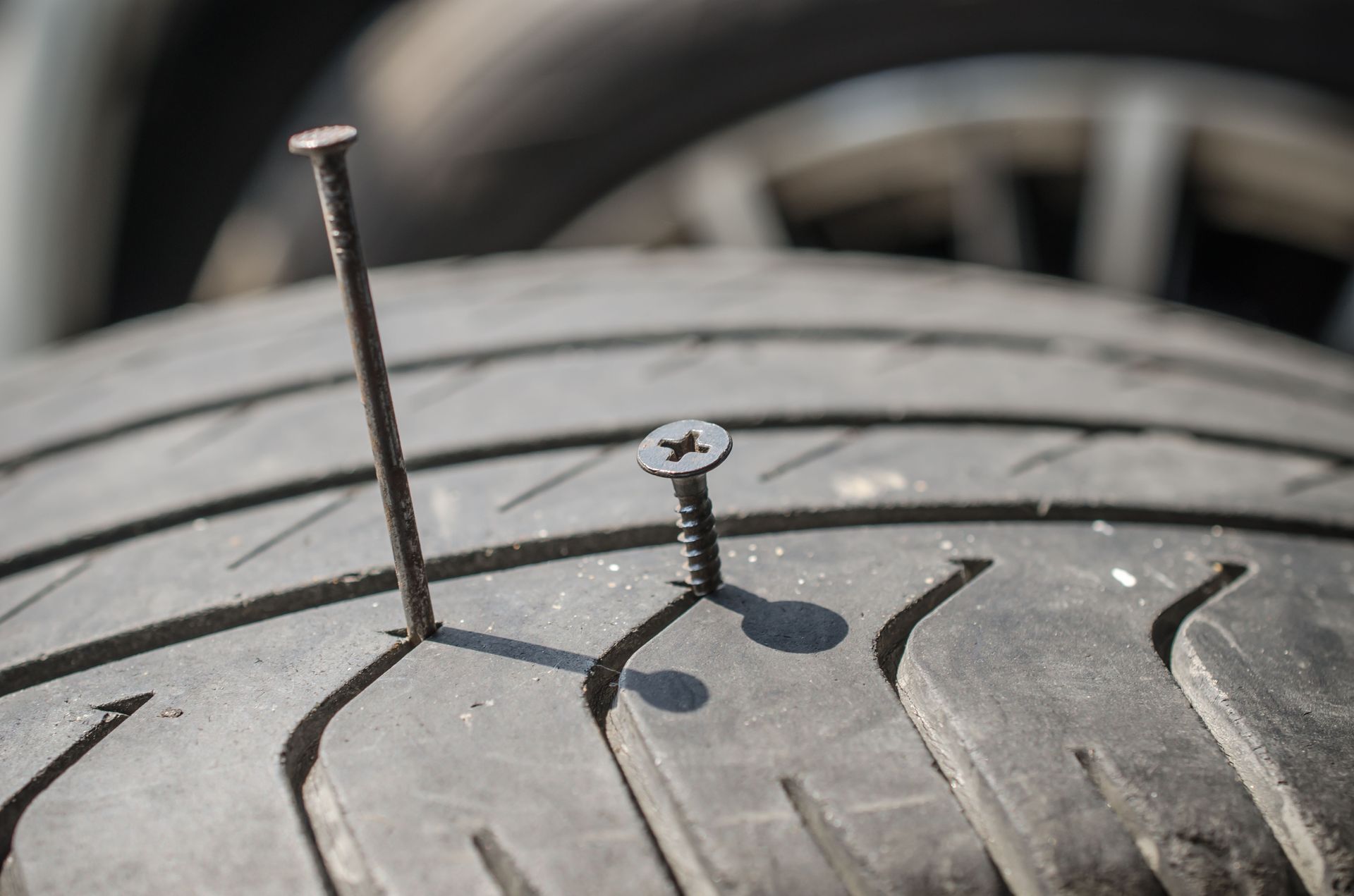
Conducting a visual inspection of tires is a straightforward yet effective method to assess their condition. Begin by examining the tread for signs of uneven or excessive wear, using a tread depth gauge for precise measurement. Sidewalls should be checked for cracks, cuts, or blisters that may compromise the tire's structural integrity. Look for any foreign objects lodged in the tread and remove them to prevent further damage. Regular visual inspections, every few weeks or before long trips, help identify potential issues before they escalate, ensuring continued vehicular safety and performance.
Visual inspections should be a habitual part of vehicle maintenance and could save time and money long-term. During an inspection, take note of tread patterns that may indicate alignment issues, such as feathering or cupping. Properly inflated tires help maintain even tread wear, so checking tire pressure regularly is also recommended. Tires typically have a service life of around six years, and thorough inspections can help ensure they reach this milestone without unexpected failures. Documenting findings from inspections provides a reliable record for assessing tire health over time and planning maintenance or replacements.
Importance of Tire Rotation
Tire rotation is a key element in maintaining tire health, as it ensures even tire wear and prolongs tire life. It involves moving tires from one wheel position to another, promoting balanced wear across all four tires. Rotation helps expose each tire to different stress levels and loads, reducing uneven treads that can impact performance. Generally, it's recommended to rotate tires every 5,000 to 8,000 miles, although specific intervals can vary based on manufacturer guidance and driving conditions. By redistributing wear patterns, tire rotation contributes to smoother rides, better handling, and increased tire longevity.
Choosing the Right Tires for Older Vehicles
Understanding Tire Specifications
Understanding tire specifications is pivotal for selecting the right tires for older vehicles. These specifications, typically indicated on the tire's sidewall, include information on its width, aspect ratio, construction, diameter, load index, and speed rating. Each parameter affects the tire's performance characteristics and its compatibility with the vehicle. For older vehicles, ensuring the specifications are aligned with manufacturer recommendations maintains optimal safety and handling. Familiarity with tire specifications guides smarter decisions, resulting in better performance and increased longevity for older vehicles.
Choosing tires based on an accurate understanding prevents mismatches that could compromise vehicle dynamics and safety. Properly matched specifications ensure the vehicle achieves optimal traction, handling, and braking performance on the road. As older vehicles typically require more maintenance and should often be tailored to specific needs, judicious selection alleviates undue wear or stress. A comprehensive understanding of specifications and load ratings aligns with longevity aspirations for aging vehicles. Leveraging available tire data when selecting new tires provides assurance that the choice supports all safety and performance demands.
Educating oneself on tire specifications complements ongoing maintenance strategies, promoting overall vehicular health. It's crucial not just for performance concerns but also for maintaining compliance with safety standards and regulations. Proper adherence to tire specifications prevents unnecessary component strain, ultimately improving vehicle lifespan. Overall, an informed approach to tire specifications upholds vehicular integrity by ensuring precision in component compatibility.
Consistent tire service plays a vital role in preserving the safety, performance, and value of older vehicles. From recognizing the effects of tire wear and aging to performing regular inspections, rotations, and informed replacements, proactive maintenance helps reduce risks and improve overall driving confidence. By turning to Barker's Towing & Auto Repair for regular tire service, you can extend tire life, protect other vehicle components, and enjoy a safer, more reliable driving experience for years to come. Reach out to us today to get started!