16 Situations Where a Roadside Assistance Service Is a Lifesaver
December 12, 2025

December 12, 2025

Getting stranded on the road is stressful, unpredictable, and sometimes dangerous. A reliable roadside assistance service can turn a difficult situation into a manageable one, offering immediate help when something goes wrong on the highway, a busy city street, or a remote country road. Whether the issue is a dead battery, a flat tire, or a vehicle breakdown, having access to a roadside assistance business offers peace of mind and keeps drivers moving safely. From simple battery problems to full vehicle breakdowns, understanding how roadside assistance services work can show drivers why professional support is essential for staying safe and keeping their journey on track.


1. Respond With Confidence to Flat Tires


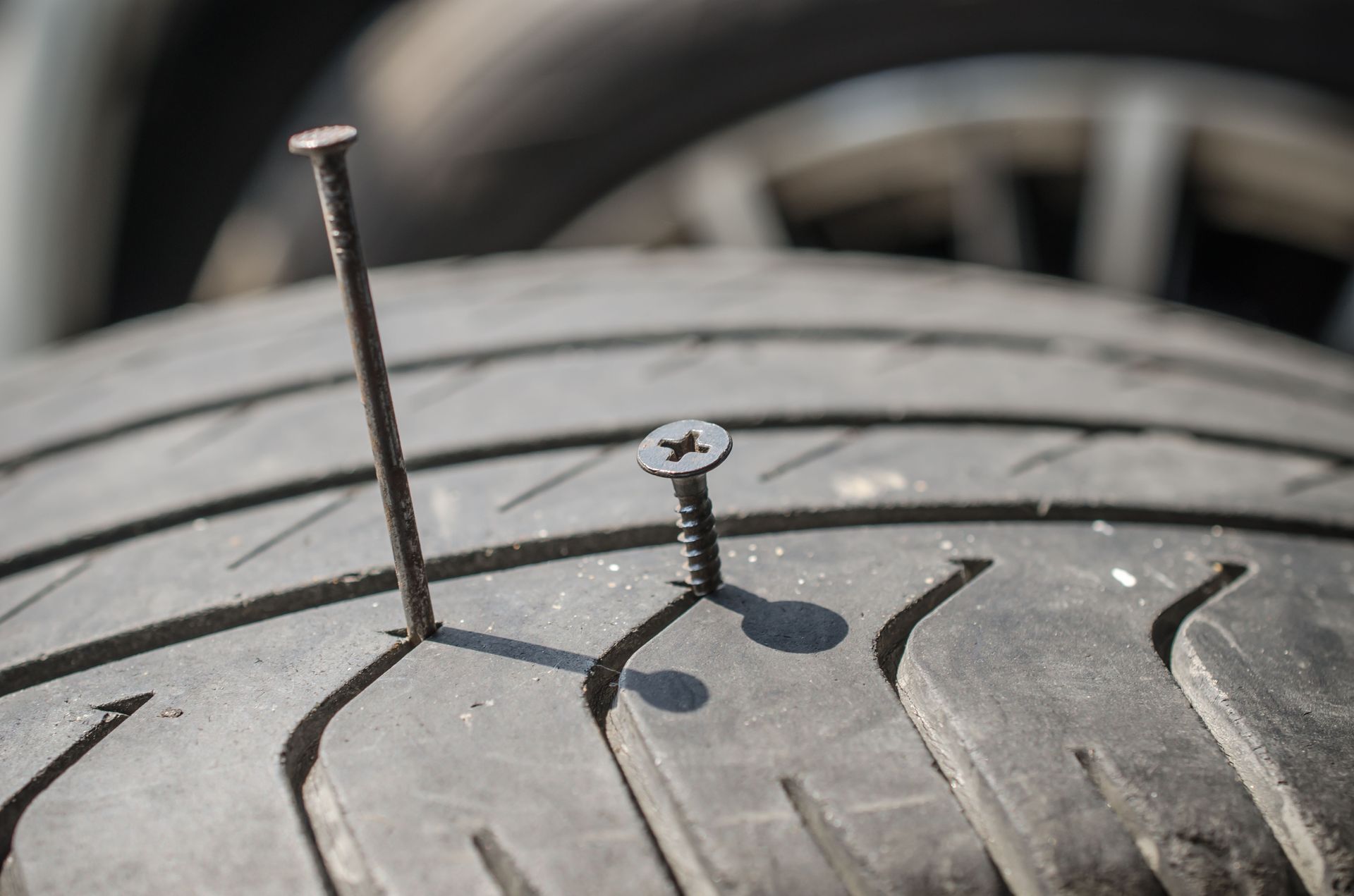
A flat tire usually happens without warning. One moment the drive is smooth, and the next moment there is a sudden thump or loss of control. A roadside assistance company provides quick response to keep drivers safe from traffic hazards and bad weather. Trained professionals bring the necessary tools, change the tire, and make sure the vehicle can continue traveling safely. The benefit is not only convenience but protection from dangerous conditions on highways or narrow road shoulders.


2. Deliver Help With Tire Trouble in Remote Areas


Drivers frequently face flat tires in isolated locations, where service stations are not nearby. A dependable roadside assistance company is prepared to travel long distances to reach stranded drivers. This assistance is especially valuable for anyone who regularly travels through rural areas, construction zones, or long stretches of highway. The ability to receive help anywhere reduces stress and keeps travel plans on schedule.


3. Manage Tire Hazards With Professional Support


Attempting to change a tire in extreme heat, freezing temperatures, or heavy traffic can be unsafe. Roadside providers carry reflective safety gear and proper tools, reducing the risk of injury or further vehicle damage. Their training and experience allow them to handle the tire change efficiently while drivers remain safely away from moving vehicles.


4. Fix Battery Problems With Fast Jumpstart Service


A dead battery can occur at home, at work, or while running errands. A roadside assistance service will arrive quickly to perform a safe jumpstart using professional equipment. This prevents drivers from depending on passing vehicles or trying unsafe methods to get the engine started. Quick battery help keeps schedules intact and reduces delays.


5. Replace Batteries With On-the-Spot Support


Sometimes a weak or damaged battery cannot be revived with a jumpstart. In those cases, mobile battery replacement through a roadside assistance business helps drivers avoid another stall or breakdown later in the day. With proper testing and parts installed correctly, the vehicle is ready to continue running without further interruption.


6. Diagnose Vehicle Electrical Issues With Accuracy


Not every engine failure is caused by a bad battery. Professionals sent through a roadside assistance company provide a skilled evaluation to identify whether there are ignition, alternator, or electrical system issues. An accurate diagnosis early prevents repeat problems and avoids unnecessary towing.


7. Unlock Vehicles With Damage-Free Entry


Locking keys inside a vehicle is common and frustrating. A roadside assistance service sends professionals trained to open vehicle doors safely, even when modern security systems are involved. They use controlled techniques and tools designed for vehicle access without scratching paint or harming locking mechanisms. Quick entry allows travel to continue with minimal delay.


8. Provide Key Recovery With Mobile Tools


When keys are inaccessible, and towing becomes the only alternative, roadside providers still work efficiently to prevent further inconvenience. Specialized tools allow efficient access so drivers do not miss appointments or remain stuck in parking lots, store areas, or driveways.


9. Deliver Fuel With Emergency On-Road Supply


Running out of gas is inconvenient, especially when it happens far from the nearest station. A roadside assistance service will deliver enough fuel to reach a safe refueling location. This avoids calling for a full tow simply because the tank is empty. It also helps prevent a stalled vehicle from becoming a traffic hazard during busy travel hours.


10. Save Money With Simple Fuel Solutions


A fuel delivery through roadside assistance usually costs less than paying for towing. The ability to receive only the fuel needed for travel is economical and efficient. For many drivers, this is one of the clear benefits of having roadside support available when travel plans do not go exactly as expected.


11. Tow Vehicles With Accident Recovery Support


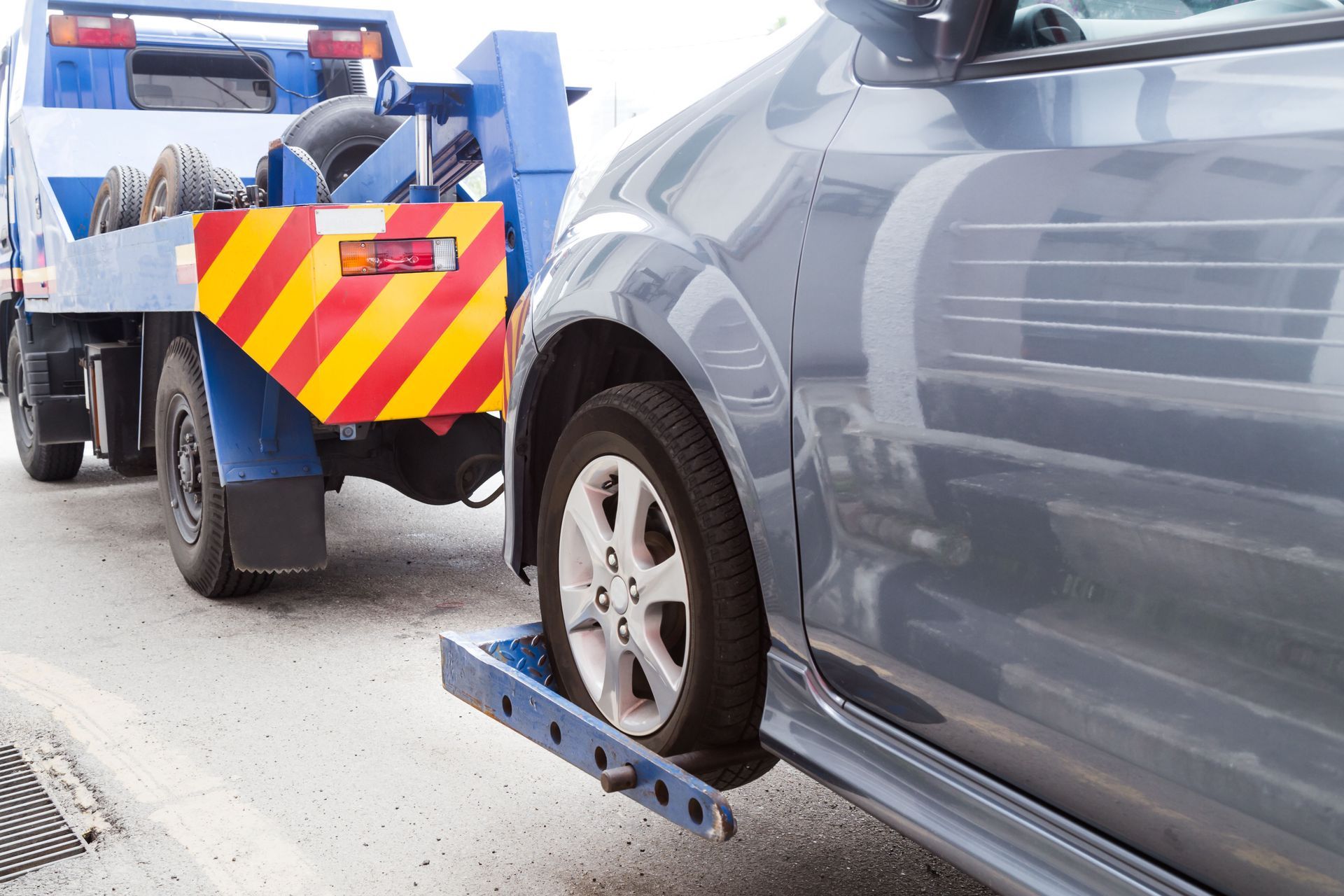
When collisions occur, damaged vehicles often need immediate removal from the roadway. Towing, according to Mordor Intelligence, represented just over 30% of the vehicle roadside assistance market in 2024, showing how common and essential this service has become. A roadside assistance service can provide accident recovery and ensure that vehicles are moved safely from dangerous areas, helping restore normal traffic flow.


12. Transport Vehicles With Breakdown Towing


Mechanical failures can happen anywhere and at any time. When issues cannot be fixed on the spot, towing allows drivers to send their vehicle to a repair shop or home. Towing reduces worry and keeps motorists from being stranded for long periods. A roadside assistance business that offers towing options protects vehicles from further damage while moving them safely over long distances.


13. Move Special Vehicles With Flatbed Options


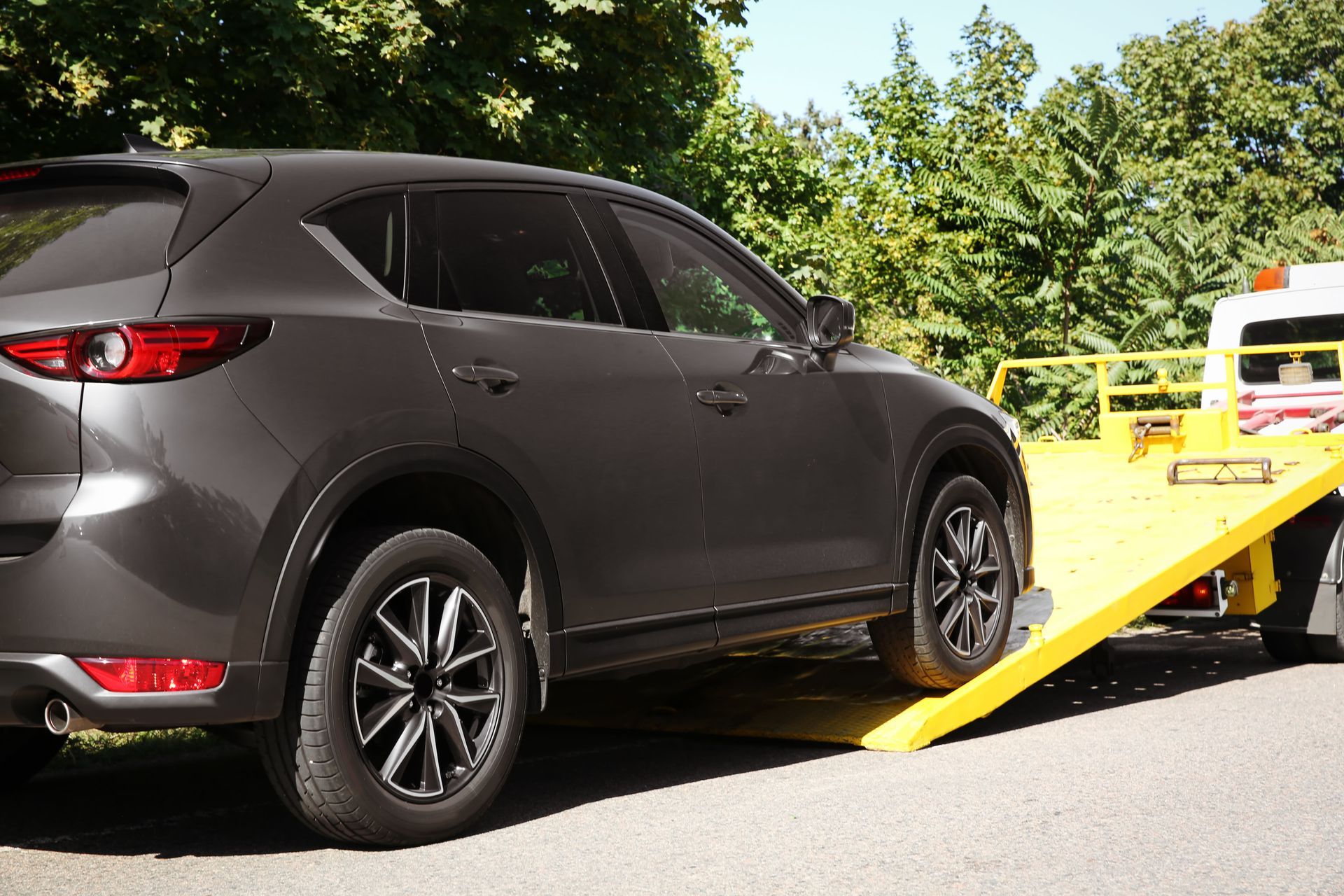
A flatbed tow is useful for motorcycles, performance vehicles, and vehicles needing damage-free transport. This method keeps tires off the road surface and prevents frame or suspension issues. Many drivers prefer flatbed service because it delivers secure transport while reducing wear during long-distance travel. Having a roadside assistance service capable of sending a flatbed truck means handling every type of situation responsibly.


14. Identify Vehicle Problems With Professional Insight


Mechanical issues are not always obvious. Roadside assistance professionals can evaluate fluid leaks, belt issues, and overheating symptoms. Pinpointing the real problem prevents wasted time and unnecessary repairs. Getting quick guidance supports safe decision-making for the remainder of the trip.


15. Repair Small Issues With Mobile Services


Some problems require only a simple repair. Minor fixes, such as tightening loose parts or resolving small leaks, help drivers continue traveling without needing to visit a repair facility. A roadside assistance service provides this on-site support for quick resolution.


16. Choose Long-Distance Support With Towing Options


Long-distance towing helps drivers move vehicles safely from one area to another. Whether a breakdown happens while traveling or a driver needs to relocate a vehicle, long-distance towing helps accomplish the task smoothly through a roadside assistance business with dependable scheduling.


A roadside assistance business protects drivers from unpredictable roadside issues every day. Whether a situation involves a flat tire, a mechanical failure, a lockout, or an empty fuel tank, having access to dependable help keeps travel safe and reduces stress in moments when plans suddenly change. Reliable roadside service also supports long-distance drivers, commuters, families, and commercial vehicles with towing options that restore safety after accidents or breakdowns. Roadside support reduces danger by keeping stalled vehicles off busy roads and prevents additional costly vehicle damage. It delivers peace of mind through professional tools, proper safety measures, and quick response times.


In addition, having a roadside assistance service available means drivers never need to worry about being stuck during busy travel seasons or late at night when visibility and road conditions can be unpredictable. Knowing that qualified professionals can arrive quickly and handle problems directly on-site brings a valuable sense of security. From routine tire and battery issues to more complex towing needs, roadside help keeps vehicles moving and protects people behind the wheel.


For responsive towing and emergency help on the road, we provide dependable support backed by experience and attention to driver safety. Contact Barker’s Towing & Auto Repair today to request towing, vehicle recovery, roadside help, or additional services when you need them most.

auto repairs
March 12, 2026
Regular auto repairs and maintenance help prevent breakdowns, improve performance, and extend vehicle life while keeping your car dependable for driving use.
March 10, 2026
Purchasing new tires represents a significant investment in your vehicle's safety, performance, and overall driving experience that shouldn't be made without careful consideration and informed questions. Many drivers simply accept whatever recommendations shop staff provide without understanding the reasoning behind tire selections or alternative options that might better suit their needs. The tire industry includes numerous brands, models, and specifications that can confuse consumers who lack technical knowledge about how different choices affect handling, longevity, and value. Asking the right questions before committing to a purchase ensures you receive tires appropriate for your vehicle, driving habits, and budget while avoiding unnecessary upsells or inadequate products. Understanding what to ask and how to evaluate responses helps you become an informed consumer who makes decisions based on facts rather than sales pressure or assumptions that may not serve your best interests. 1. What tire size does my vehicle require? Understanding your vehicle's correct tire size is fundamental to safe operation and proper performance, as incorrect sizing affects speedometer accuracy, handling, and clearance issues. Your vehicle's recommended tire size appears on a sticker inside the driver's door jamb and in your owner's manual, typically expressed in a format like P215/65R15. A reputable tire shop will verify this information before making recommendations rather than assuming or guessing based on what looks right. While some vehicles allow slight size variations, significant deviations from manufacturer specifications can compromise safety, void warranties, and create mechanical problems that far outweigh any perceived benefits from non-standard sizing. According to Kelley Blue Book, the United States now has 289 million light-duty vehicles, including cars, pickup trucks, and SUVs, which reflects an increase of 3 million from the prior year. With this many vehicles on the road, tire options have expanded dramatically to serve different needs and conditions. Ask your tire shop which specific brands and models they recommend for your typical driving environment, whether that includes mostly highway miles, city driving, off-road use, or severe weather conditions. Quality shops explain why certain tires suit your situation better than others based on tread patterns, rubber compounds, and performance characteristics rather than simply pushing whatever brand generates the highest profit margins for their business. 2. What's the difference between the tire options at various price points? Tire prices vary significantly even within the same size category, and understanding what accounts for these differences helps you make informed decisions about value versus cost. Budget tires typically use simpler tread designs and less advanced rubber compounds that may wear faster and provide less traction in challenging conditions. Mid-range options often deliver good performance and reasonable longevity that satisfy most drivers' needs without premium pricing. Premium tires incorporate advanced technologies, longer tread life warranties, and superior performance characteristics that justify higher costs for drivers who prioritize these benefits and drive enough miles to realize their value over time. Treadwear warranties indicate manufacturer confidence in tire longevity and protect if tires wear out prematurely under normal use conditions. These warranties typically cover a specific mileage, such as 40,000, 60,000, or 80,000 miles, though actual coverage depends on maintaining proper inflation, regular rotations, and proper alignment. Ask your tire shop to explain warranty terms, including what's covered, what voids coverage, and how claims are processed if you need to use the warranty. Understanding that warranties often provide prorated credit rather than free replacement helps you evaluate their actual value and compare different tire options more accurately based on realistic expectations. 3. Do these tires perform well in the weather conditions I regularly encounter? Tire performance varies dramatically in different weather conditions, making it essential to select products appropriate for your climate and typical driving situations. All-season tires provide adequate performance in most conditions but excel in none, while dedicated summer or winter tires deliver superior performance in their intended conditions at the cost of seasonal switching. If you regularly encounter snow and ice, ask whether all-season tires provide adequate traction or if dedicated winter tires would significantly improve safety. A knowledgeable tire shop helps you understand these tradeoffs and recommends products that match your actual needs rather than defaulting to all-season tires simply because they're the most common choice that avoids seasonal changes. The quoted price for tires may or may not include essential services like mounting, balancing, valve stems, disposal fees, and tire pressure monitoring system service. Ask your tire shop for an itemized breakdown of all costs so you understand exactly what's included and what represents additional charges beyond the base tire price. Some shops include free lifetime rotation, balancing, and flat repairs with tire purchases, while others charge for these services each time you need them. Understanding the complete cost structure allows you to compare offers from different shops accurately and recognize when advertised prices are misleading because they exclude services that other providers include in their quotes. 4. How do I maintain these tires for maximum lifespan? Proper tire maintenance significantly extends tread life and improves safety, making it essential to understand what care your new tires require. Ask about recommended tire pressure for your specific vehicle and load conditions, how often you should check pressure, and how temperature changes affect inflation levels. Inquire about recommended rotation intervals and whether your vehicle requires specific rotation patterns based on drivetrain configuration. A professional tire shop educates customers about maintenance requirements and may offer service packages that simplify ongoing care through scheduled rotations and inspections that catch problems early before they cause premature wear or safety issues. Not all tire and wheel combinations are compatible, and purchasing tires that don't properly fit your existing wheels wastes money and creates safety hazards. Ask your tire shop to verify that your current wheels are appropriate for the tires you're considering in terms of width, diameter, and load rating. Inquire about wheel condition and whether issues like bends, cracks, or corrosion might compromise new tire installation or performance. If wheel replacement is recommended, understand why it's necessary and what options exist at different price points that meet safety requirements while fitting your budget and aesthetic preferences.  5. Do you offer road hazard warranties or tire protection plans? Road hazard warranties provide coverage for tire damage from potholes, nails, glass, and other road debris that manufacturer warranties explicitly exclude from coverage. These optional protection plans typically cost extra but can save significant money if you frequently drive on roads with debris or poor pavement conditions. Ask what specific damages are covered, whether coverage includes replacement or repair, and if there are limitations on how many claims you can make during the coverage period. A transparent tire shop clearly explains protection plan costs, benefits, and limitations so you can make informed decisions about whether this additional coverage makes sense for your driving environment and risk tolerance. Asking informed questions before purchasing tires protects you from unsuitable products, unnecessary services, and shops more interested in profits than customer satisfaction. The responses you receive reveal whether a shop prioritizes education and appropriate recommendations or simply pushes products that maximize their revenue regardless of your actual needs. Taking time to understand your options and evaluate different shops based on their answers helps you make decisions that deliver the best combination of safety, performance, and value for your specific situation. Whether you need auto a/c repair, auto repair, battery testing and replacement, brake services, commercial towing, electrical system work, emergency towing, engine tune-ups, oil and lube, roadside assistance, speed shop, suspension work, tires, towing, or transmission services, Barker's Towing & Auto Repair provides comprehensive automotive care with 24/7 emergency towing available, the largest fleet in Poplar Bluff, and all auto repair work guaranteed. For more information, contact us today!
accident recovery services
February 26, 2026
Through comprehensive research and analysis, this blog aims to shed light on the importance of accident recovery services and the industry's future direction.
Show More →