How Timely Auto Repairs Prevent Bigger Problems
March 12, 2026

March 12, 2026

Regular and timely auto repairs play an important role in maintaining vehicle performance and dependability. Addressing minor concerns early can help prevent larger mechanical issues and unexpected breakdowns. Taking a proactive approach to maintenance supports consistent operation and helps drivers avoid disruptions that interfere with daily travel. From safety-related systems to overall performance, routine service contributes to keeping vehicles in dependable condition.


Vehicles are made up of interconnected systems that work together every time the engine starts. When one component begins to wear down, it can gradually affect surrounding parts. Staying attentive to small changes in performance, sounds, or handling can make a meaningful difference over time. Scheduling service at appropriate intervals creates an opportunity to evaluate the vehicle's condition and make adjustments before issues become more complex.


1. Maintaining Vehicle Performance


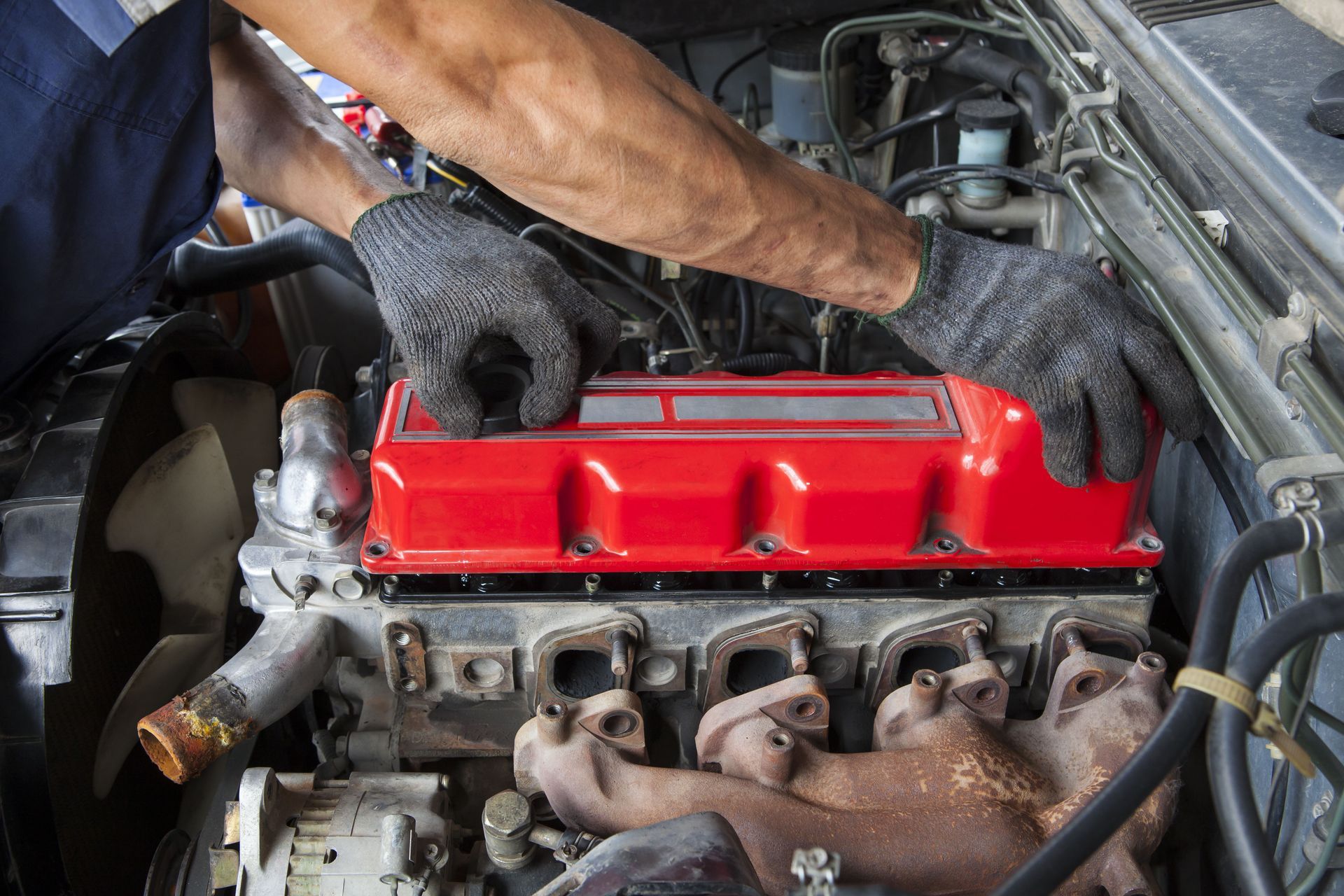
Keeping major systems in proper working order contributes to consistent performance. Services such as oil changes, engine tune-ups, transmission maintenance, and tire service allow vehicles to operate more smoothly. Proper wheel alignment also reduces unnecessary strain on tires and suspension components, helping maintain overall operational quality.


Battery testing and electrical diagnostics help ensure consistent starting and system functionality. When core components are maintained regularly, vehicles are better equipped to perform during everyday use. Addressing performance-related concerns early helps avoid more extensive mechanical complications and supports steady operation over time.


Even small adjustments can influence how a vehicle responds on the road. A properly maintained engine can feel steadier during acceleration, while aligned wheels can contribute to more predictable steering. Paying attention to these details supports balanced operation across multiple systems and helps drivers maintain a comfortable driving experience. Over time, consistent care also contributes to a more pleasant and fluid driving experience overall. Drivers may notice subtle improvements in smoothness, responsiveness, and general feel, which can make routine trips feel easier and less stressful. Small differences in handling and performance can accumulate, creating a sense of continuity and consistency in day-to-day driving. Maintaining systems thoughtfully can make every journey feel more composed and allow drivers to focus on the road without distraction or discomfort, reinforcing the overall enjoyment of vehicle operation.


2. Boosting Vehicle Longevity


Timely maintenance helps reduce strain on critical vehicle components. Engine tune-ups, transmission service, and regular oil changes support smoother operation and help minimize excessive wear. When systems function as intended, they are less likely to experience premature failure, extending the overall life of the vehicle.


Suspension service and wheel alignment further protect a vehicle's structure by promoting balanced performance. Identifying small issues before they progress into major repairs helps preserve the overall condition of the vehicle. Consistent service appointments provide opportunities to catch concerns early and maintain long-term functionality, which can result in fewer disruptions and lower costs over time.


Over time, mileage and daily use naturally contribute to wear on moving parts. Fluids break down, components shift slightly out of alignment, and materials gradually lose their original condition. Addressing these changes through routine service can help vehicles remain functional for a longer period. According to Kelley Blue Book, the average vehicle currently on U.S. roads is nearly 13 years old, highlighting the importance of regular auto repairs for vehicles of all ages.


3. Prioritizing Vehicle Performance


Keeping major systems in proper working order contributes to consistent performance. Services such as oil changes, engine tune-ups, transmission maintenance, and tire service allow vehicles to operate more smoothly. Proper wheel alignment also reduces unnecessary strain on tires and suspension components, helping maintain overall operational quality.


Battery testing and electrical diagnostics help ensure consistent starting and system functionality. When core components are maintained regularly, vehicles are better equipped to perform during everyday use. Addressing performance-related concerns early helps avoid more extensive mechanical complications and supports steady operation over time.


Even small adjustments can influence how a vehicle responds on the road. A properly maintained engine can feel steadier during acceleration, while aligned wheels can contribute to more predictable steering. Paying attention to these details supports balanced operation across multiple systems and helps drivers maintain a comfortable driving experience.


4. Improving Cost Savings


Proactive auto repairs can help reduce the likelihood of costly emergency repairs. Replacing worn brake pads, servicing a transmission, or correcting alignment issues early typically requires less time and expense than repairing damage caused by prolonged neglect. Routine service appointments allow technicians to identify developing problems before they become severe.


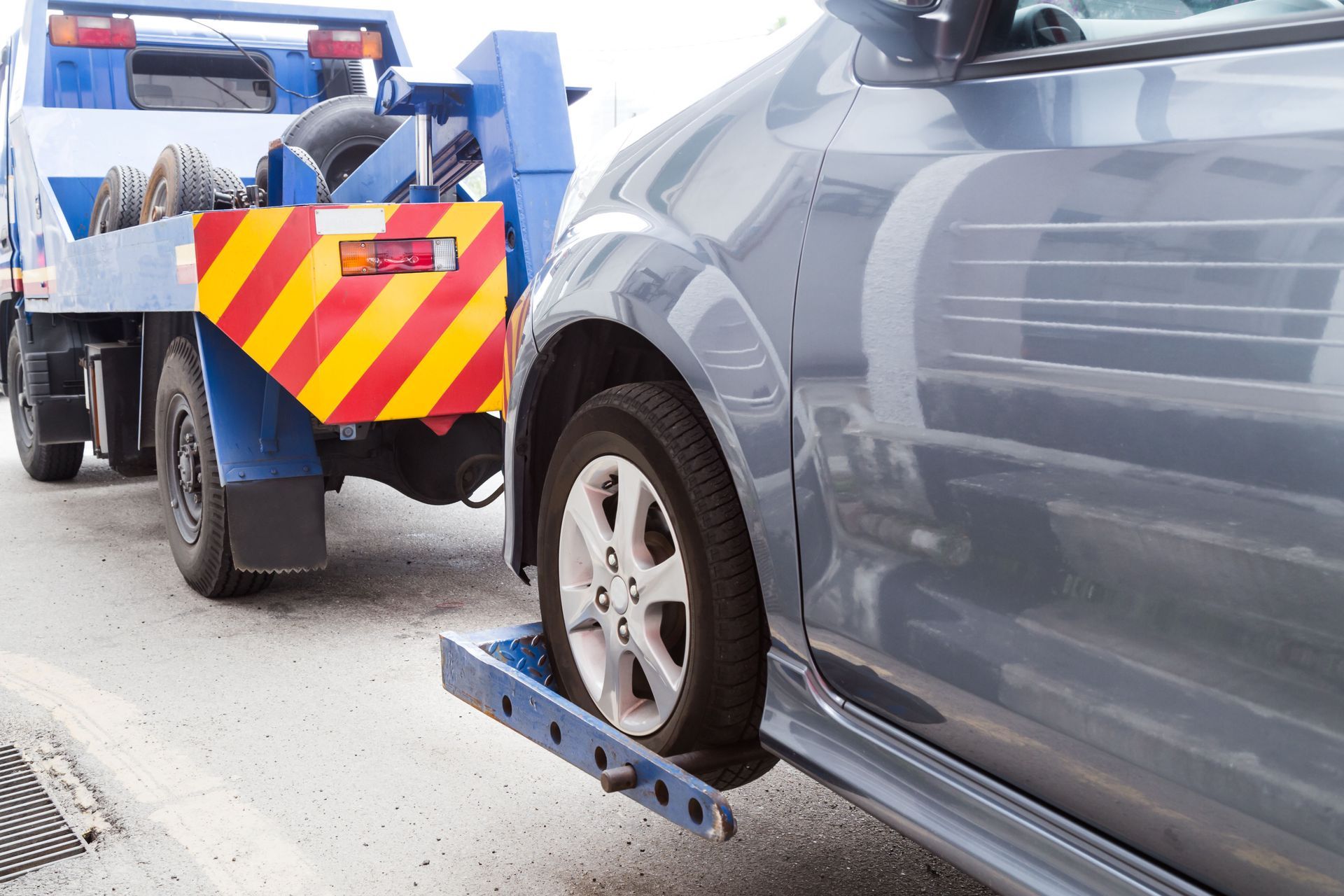
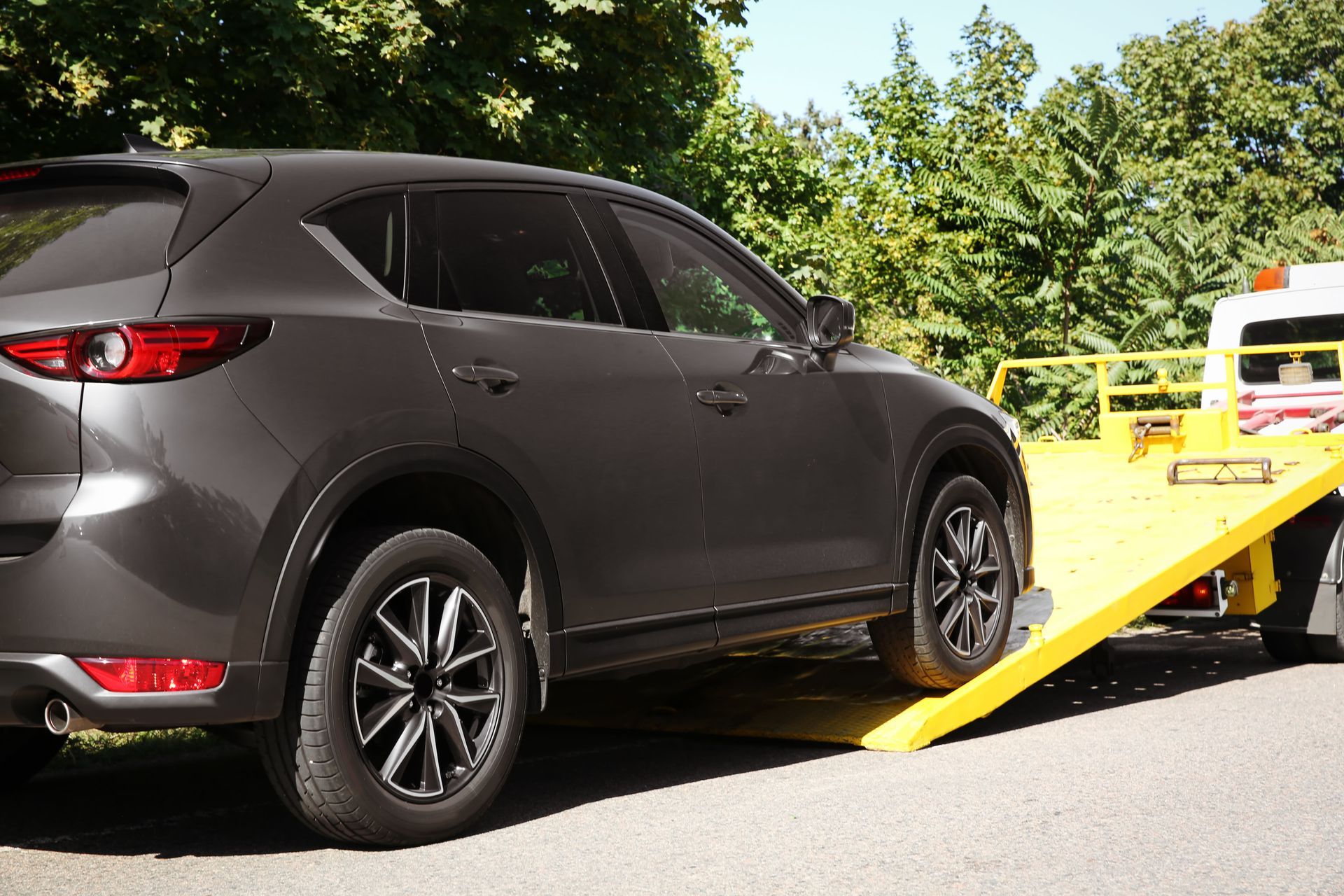
In addition, minimizing unexpected breakdowns can reduce the need for emergency towing. Staying current with maintenance helps drivers plan for service rather than react to sudden vehicle failures, supporting more consistent management of vehicle expenses. Regularly addressing minor issues can prevent additional components from being affected and reduce long-term costs.


Smaller repairs are often more manageable when addressed promptly. When issues are allowed to continue unchecked, additional components may become affected, increasing overall repair needs. Taking a steady and preventive approach to auto repairs can help spread service costs out over time and maintain smoother vehicle operation for years.


5. Boosting Consistent Operation


Consistent maintenance supports day-to-day vehicle use. Services such as brake repair, suspension inspections, battery replacement, and air conditioning repair contribute to overall function and comfort. Keeping these systems in good condition helps reduce interruptions caused by mechanical failure and enhances the everyday usability of the vehicle.


Electrical system diagnostics can also identify hidden issues that may affect performance. Addressing concerns early helps maintain consistent operation and reduces the likelihood of being stranded due to preventable problems. Vehicles are often relied upon for commuting, errands, and travel, making steady performance important for daily routines.


Routine inspections provide an opportunity to evaluate components that may not receive regular attention. By maintaining these systems at appropriate intervals, drivers can experience fewer disruptions and more predictable function from their vehicles. This proactive approach ensures the vehicle remains operational under a variety of conditions.


6. Enhancing the Driving Experience


A well-maintained vehicle typically delivers smoother handling and more predictable performance. Suspension service, tire maintenance, and wheel alignment help support balanced steering and ride quality. Maintaining an operational air conditioning system also contributes to interior comfort during daily travel, making commutes and longer trips more enjoyable.


By addressing unusual noises, vibrations, or performance inconsistencies promptly, drivers can maintain a more stable driving experience. Routine maintenance plays a key role in preserving both comfort and control behind the wheel. Adjustments to key components help improve responsiveness and overall ease of operation, even on longer journeys.


Small refinements in vehicle condition can make everyday driving feel more composed. When steering feels centered, and the ride remains steady over varying road surfaces, the overall experience can feel more controlled. Interior comfort systems also play a role in long commutes or seasonal temperature changes. Paying attention to these details allows drivers to maintain a balanced and comfortable driving environment, enhancing the overall enjoyment of the vehicle.


Timely auto repairs help maintain vehicle performance, safety, and long-term functionality. By addressing minor issues early, drivers can prevent more extensive damage and keep vehicles running smoothly. Services such as brake and suspension work, transmission maintenance, oil changes, electrical diagnostics, tire service, and towing all contribute to overall vehicle care. To learn more about comprehensive automotive repair, maintenance, and towing options, turn to Barker's Towing & Auto Repair for guidance and support that keeps our vehicles in top condition.
March 10, 2026
Purchasing new tires represents a significant investment in your vehicle's safety, performance, and overall driving experience that shouldn't be made without careful consideration and informed questions. Many drivers simply accept whatever recommendations shop staff provide without understanding the reasoning behind tire selections or alternative options that might better suit their needs. The tire industry includes numerous brands, models, and specifications that can confuse consumers who lack technical knowledge about how different choices affect handling, longevity, and value. Asking the right questions before committing to a purchase ensures you receive tires appropriate for your vehicle, driving habits, and budget while avoiding unnecessary upsells or inadequate products. Understanding what to ask and how to evaluate responses helps you become an informed consumer who makes decisions based on facts rather than sales pressure or assumptions that may not serve your best interests. 1. What tire size does my vehicle require? Understanding your vehicle's correct tire size is fundamental to safe operation and proper performance, as incorrect sizing affects speedometer accuracy, handling, and clearance issues. Your vehicle's recommended tire size appears on a sticker inside the driver's door jamb and in your owner's manual, typically expressed in a format like P215/65R15. A reputable tire shop will verify this information before making recommendations rather than assuming or guessing based on what looks right. While some vehicles allow slight size variations, significant deviations from manufacturer specifications can compromise safety, void warranties, and create mechanical problems that far outweigh any perceived benefits from non-standard sizing. According to Kelley Blue Book, the United States now has 289 million light-duty vehicles, including cars, pickup trucks, and SUVs, which reflects an increase of 3 million from the prior year. With this many vehicles on the road, tire options have expanded dramatically to serve different needs and conditions. Ask your tire shop which specific brands and models they recommend for your typical driving environment, whether that includes mostly highway miles, city driving, off-road use, or severe weather conditions. Quality shops explain why certain tires suit your situation better than others based on tread patterns, rubber compounds, and performance characteristics rather than simply pushing whatever brand generates the highest profit margins for their business. 2. What's the difference between the tire options at various price points? Tire prices vary significantly even within the same size category, and understanding what accounts for these differences helps you make informed decisions about value versus cost. Budget tires typically use simpler tread designs and less advanced rubber compounds that may wear faster and provide less traction in challenging conditions. Mid-range options often deliver good performance and reasonable longevity that satisfy most drivers' needs without premium pricing. Premium tires incorporate advanced technologies, longer tread life warranties, and superior performance characteristics that justify higher costs for drivers who prioritize these benefits and drive enough miles to realize their value over time. Treadwear warranties indicate manufacturer confidence in tire longevity and protect if tires wear out prematurely under normal use conditions. These warranties typically cover a specific mileage, such as 40,000, 60,000, or 80,000 miles, though actual coverage depends on maintaining proper inflation, regular rotations, and proper alignment. Ask your tire shop to explain warranty terms, including what's covered, what voids coverage, and how claims are processed if you need to use the warranty. Understanding that warranties often provide prorated credit rather than free replacement helps you evaluate their actual value and compare different tire options more accurately based on realistic expectations. 3. Do these tires perform well in the weather conditions I regularly encounter? Tire performance varies dramatically in different weather conditions, making it essential to select products appropriate for your climate and typical driving situations. All-season tires provide adequate performance in most conditions but excel in none, while dedicated summer or winter tires deliver superior performance in their intended conditions at the cost of seasonal switching. If you regularly encounter snow and ice, ask whether all-season tires provide adequate traction or if dedicated winter tires would significantly improve safety. A knowledgeable tire shop helps you understand these tradeoffs and recommends products that match your actual needs rather than defaulting to all-season tires simply because they're the most common choice that avoids seasonal changes. The quoted price for tires may or may not include essential services like mounting, balancing, valve stems, disposal fees, and tire pressure monitoring system service. Ask your tire shop for an itemized breakdown of all costs so you understand exactly what's included and what represents additional charges beyond the base tire price. Some shops include free lifetime rotation, balancing, and flat repairs with tire purchases, while others charge for these services each time you need them. Understanding the complete cost structure allows you to compare offers from different shops accurately and recognize when advertised prices are misleading because they exclude services that other providers include in their quotes. 4. How do I maintain these tires for maximum lifespan? Proper tire maintenance significantly extends tread life and improves safety, making it essential to understand what care your new tires require. Ask about recommended tire pressure for your specific vehicle and load conditions, how often you should check pressure, and how temperature changes affect inflation levels. Inquire about recommended rotation intervals and whether your vehicle requires specific rotation patterns based on drivetrain configuration. A professional tire shop educates customers about maintenance requirements and may offer service packages that simplify ongoing care through scheduled rotations and inspections that catch problems early before they cause premature wear or safety issues. Not all tire and wheel combinations are compatible, and purchasing tires that don't properly fit your existing wheels wastes money and creates safety hazards. Ask your tire shop to verify that your current wheels are appropriate for the tires you're considering in terms of width, diameter, and load rating. Inquire about wheel condition and whether issues like bends, cracks, or corrosion might compromise new tire installation or performance. If wheel replacement is recommended, understand why it's necessary and what options exist at different price points that meet safety requirements while fitting your budget and aesthetic preferences.  5. Do you offer road hazard warranties or tire protection plans? Road hazard warranties provide coverage for tire damage from potholes, nails, glass, and other road debris that manufacturer warranties explicitly exclude from coverage. These optional protection plans typically cost extra but can save significant money if you frequently drive on roads with debris or poor pavement conditions. Ask what specific damages are covered, whether coverage includes replacement or repair, and if there are limitations on how many claims you can make during the coverage period. A transparent tire shop clearly explains protection plan costs, benefits, and limitations so you can make informed decisions about whether this additional coverage makes sense for your driving environment and risk tolerance. Asking informed questions before purchasing tires protects you from unsuitable products, unnecessary services, and shops more interested in profits than customer satisfaction. The responses you receive reveal whether a shop prioritizes education and appropriate recommendations or simply pushes products that maximize their revenue regardless of your actual needs. Taking time to understand your options and evaluate different shops based on their answers helps you make decisions that deliver the best combination of safety, performance, and value for your specific situation. Whether you need auto a/c repair, auto repair, battery testing and replacement, brake services, commercial towing, electrical system work, emergency towing, engine tune-ups, oil and lube, roadside assistance, speed shop, suspension work, tires, towing, or transmission services, Barker's Towing & Auto Repair provides comprehensive automotive care with 24/7 emergency towing available, the largest fleet in Poplar Bluff, and all auto repair work guaranteed. For more information, contact us today!
accident recovery services
February 26, 2026
Through comprehensive research and analysis, this blog aims to shed light on the importance of accident recovery services and the industry's future direction.
tire service
January 12, 2026
Do you want to understand basic tire service for used and older vehicles? Keep reading or contact us today to learn more.
Show More →