September 16, 2026
A sudden tire blowout instantly turns a routine drive into a dangerous roadside emergency for any driver navigating busy highway traffic. When internal rubber structural failure occurs at high speeds, vehicles lose traction, swerve unpredictably, and endanger everyone on the roadway. In these high-stress moments, calling a tow truck becomes an essential safety measure to recover the vehicle, protect occupants, and clear hazardous debris from active travel lanes quickly.
Understanding how blowout hazards develop empowers drivers to respond calmly and take quick preventive measures on the road. From sudden pressure drops to severe tread degradation, multiple environmental and mechanical factors trigger structural tire failure. By examining why blowouts occur and how professional assistance manages roadside crises, motorists can better prepare for unexpected highway breakdowns, protect their passengers, and avoid long delays.
Analyze the Primary Causes of Blowouts
Improper tire pressure management stands as a primary cause of catastrophic roadside tire failures across all driver demographics today. Underinflated tires experience excessive sidewall flexing, generating intense internal heat that degrades internal rubber compounds during extended highway trips. Conversely, overinflated tires become overly rigid, reducing impact absorption and leaving them highly vulnerable to sudden punctures from highway debris. Maintaining correct tire pressure establishes the essential balance needed to preserve tread integrity, prevent overheating, and ensure total vehicle stability across all speeds.
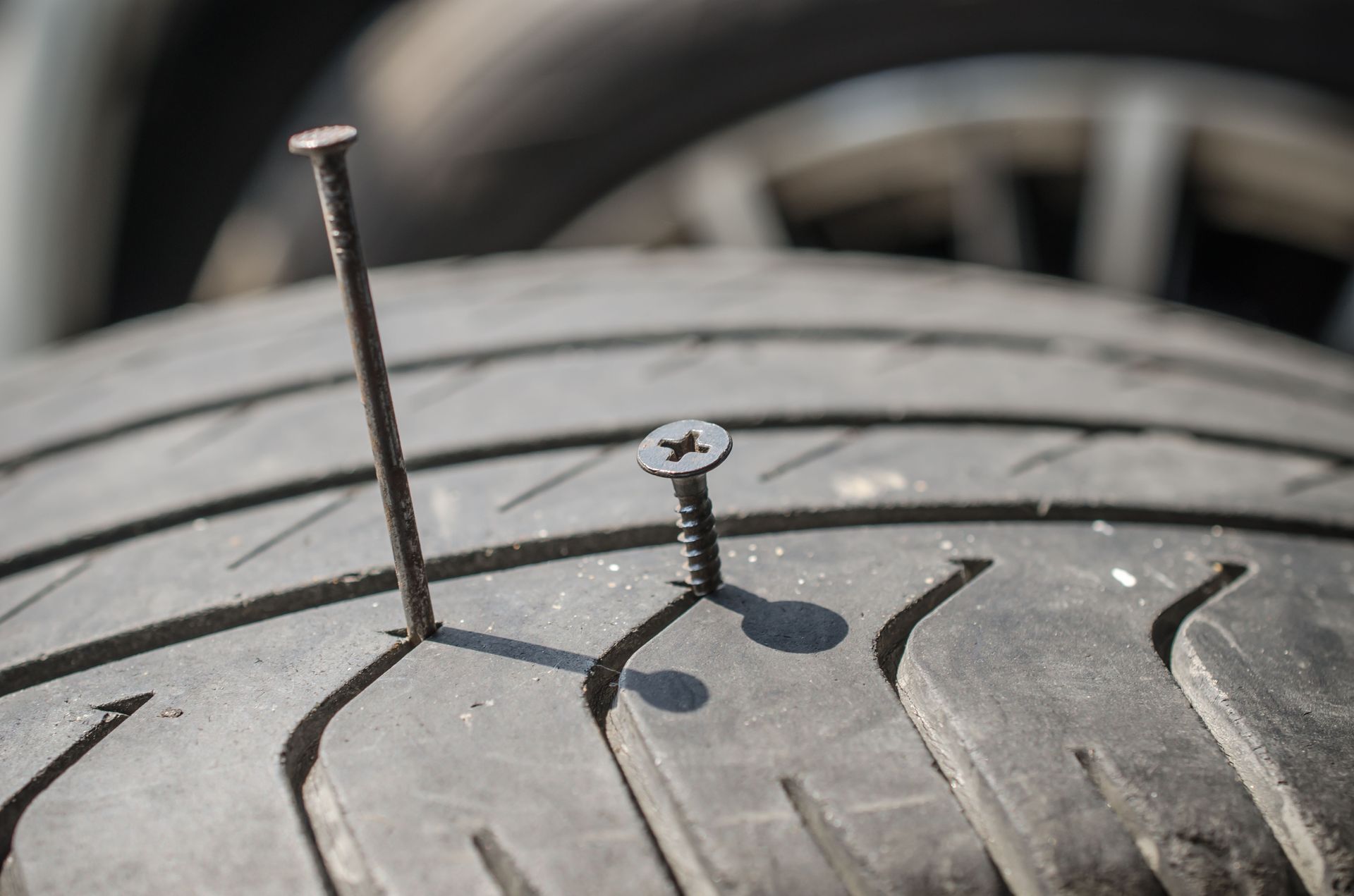
Environmental road hazards like deep potholes, sharp metal fragments, and sudden impact bumps also contribute heavily to structural tire damage. Impact with a road obstacle often weakens internal steel belting without showing immediate surface damage, creating hidden failure points that expand under continuous driving stress. Carrying excess weight beyond a vehicle's recommended load rating further accelerates this structural degradation by placing severe strain on the rubber carcass. Adhering strictly to weight limits prevents excessive friction and preserves tire structure over long distances on open roadways.
Recognize Dangerous Roadside Signs Early
Spotting physical deformities on a tire surface allows drivers to address structural issues before catastrophic collapse occurs during travel. Bulges, blisters, or surface bubbles indicate that internal plies have separated from the outer rubber layer under continuous heat and friction. These localized weak spots are extremely prone to sudden rupture, making immediate mechanical inspection and replacement necessary. Catching these surface defects early prevents dangerous high-speed failures and reduces the need for emergency roadside interventions on busy thoroughfares.
Uneven tread wear and unusual sensory cues also serve as clear warnings that tires are suffering from severe mechanical stress or mechanical misalignment. Misalignment, worn suspension components, and inconsistent inflation cause irregular contact patterns that severely reduce overall traction and impair braking performance. Moreover, deep thumping sounds, high-pitched humming, or severe steering wheel vibrations signal internal ply separation or severe wheel imbalance. Paying close attention to these sensory alerts enables drivers to pull over safely before losing complete directional control of the automobile.
Navigate Immediate Loss of Vehicle Control
A sudden tire burst causes an immediate loss of steering responsiveness, pulling the vehicle forcibly toward the side of the damaged wheel. The dramatic reduction in tire pressure reduces overall traction, causing the automobile to drag and swerve violently across busy traffic lanes. Drivers must resist the instinct to slam on the brakes, as hard braking can induce a violent skid or rollover. Steering firmly with both hands while gradually easing off the accelerator helps regain control during the initial shock.
Managing vehicle deceleration with steady control minimizes the risk of spinning out on active high-speed roadways during traffic. Gradually reducing speed allows the compromised vehicle to stabilize as natural friction and air drag slow momentum safely. Drivers should signal early and steer gently toward the shoulder once control is re-established, avoiding sharp directional adjustments that destabilize the chassis. Reaching a safe resting position off the thoroughfare allows the driver to switch on hazard lights and wait safely for professional help to arrive.
Prevent Secondary Highway Traffic Hazards
Stranded vehicles on high-speed corridors disrupt normal traffic flow and create severe bottlenecks for incoming drivers behind them. Sudden speed reductions by surrounding motorists often trigger sudden braking chains and dangerous secondary rear-end collisions. Tire debris scattered across active lanes creates additional hazards, forcing other vehicles to swerve unexpectedly into adjacent lanes. Rapid clearance of the scene helps maintain consistent traffic movement and prevents cascading highway accidents on busy transportation corridors throughout the day.
Roadside exposure poses immense danger to vehicle occupants and arriving emergency responders working near high-speed lanes. According to AAA, 36% of drivers do not move over or slow down for stranded vehicles and emergency workers despite safety laws existing in every state. This widespread disregard for roadside safety underscores why dispatching a tow truck operator is essential to secure the area, establish visible safety perimeters, and protect everyone on site from incoming highway traffic traveling at elevated speeds.
Request Professional Emergency Roadside Assistance
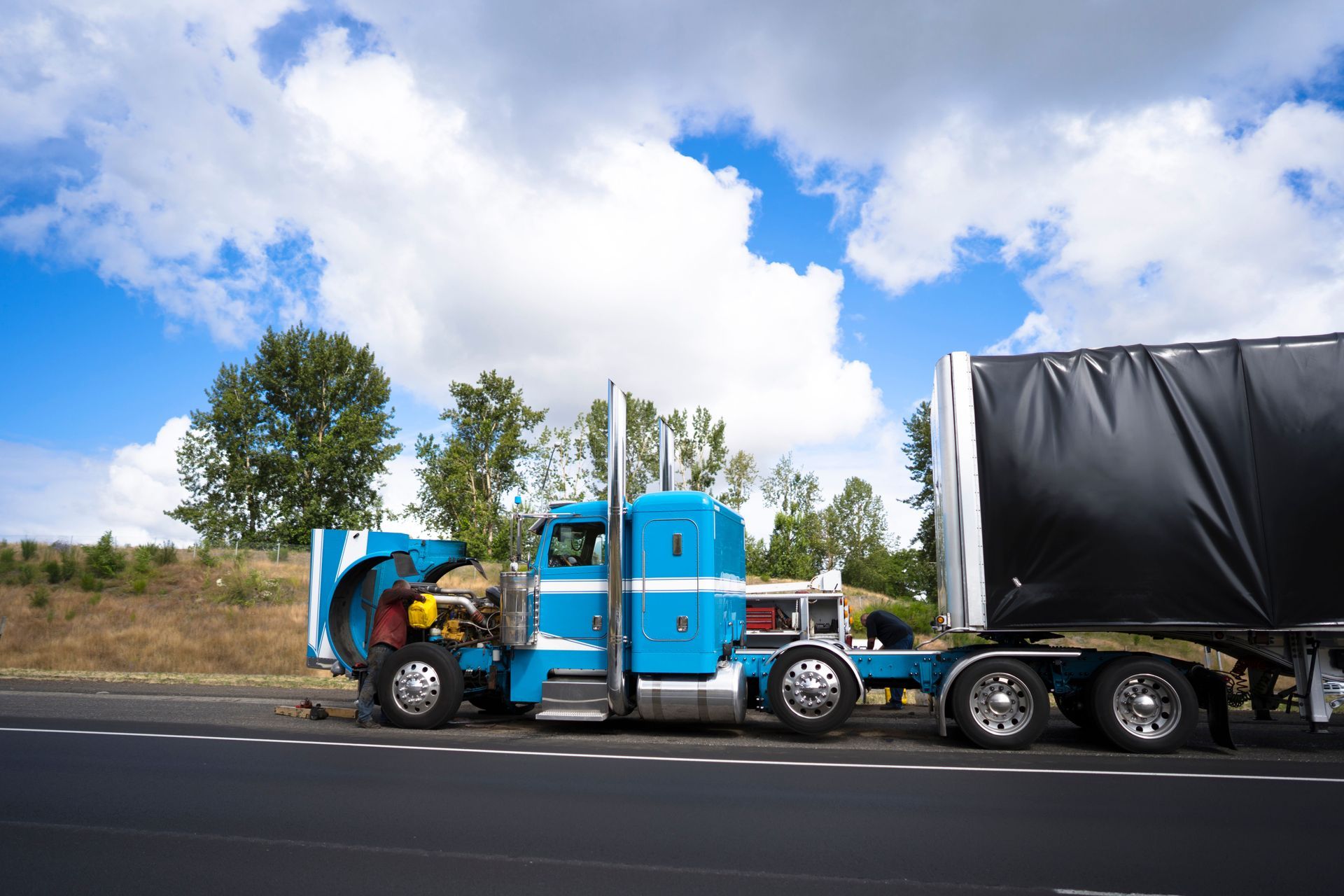
Handling a blowout without proper equipment or training on a narrow highway shoulder exposes drivers to immense physical danger. Attempting to change a flat tire near rushing traffic increases the risk of severe injury from passing vehicles. Hiring a professional tow truck service provides immediate relief by placing experienced recovery operators in charge of the scene. Trained professionals possess specialized safety gear and heavy-duty machinery needed to handle complex recovery operations smoothly and efficiently under challenging conditions.
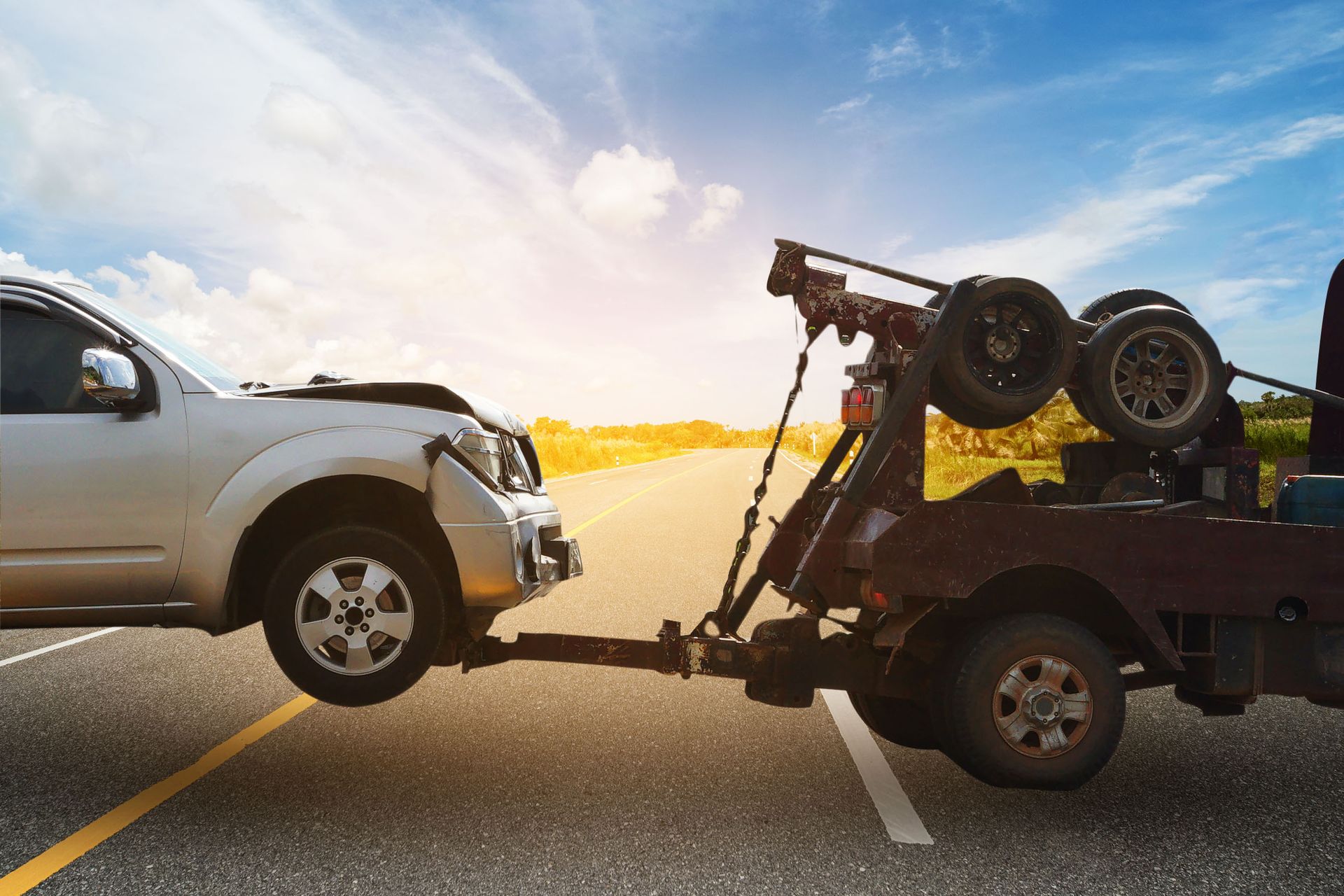
Specialized recovery equipment ensures that compromised automobiles are transported without inflicting additional mechanical or structural damage. Utilizing flatbed options offered by a tow truck team protects damaged axles, rims, and suspension systems during transit. Flatbed transport lifts the entire automobile off the pavement, eliminating extra wear on crippled wheels and drivetrain components. Relying on specialized flatbed recovery guarantees that emergencies are managed with the highest safety standards available in the industry.
Implement Proactive Maintenance Protocols
Establishing regular tire inspection habits drastically lowers the probability of suffering an unexpected blowout on the open road. Checking inflation pressure when tires are cool ensures accurate readings and helps maintain optimal rubber elasticity over time. Visual inspections should focus on detecting embedded gravel, deep cuts, and uneven tread depth across the entire tread surface. Consistent maintenance routines allow drivers to catch mechanical flaws before they turn into dangerous highway emergencies requiring urgent recovery.
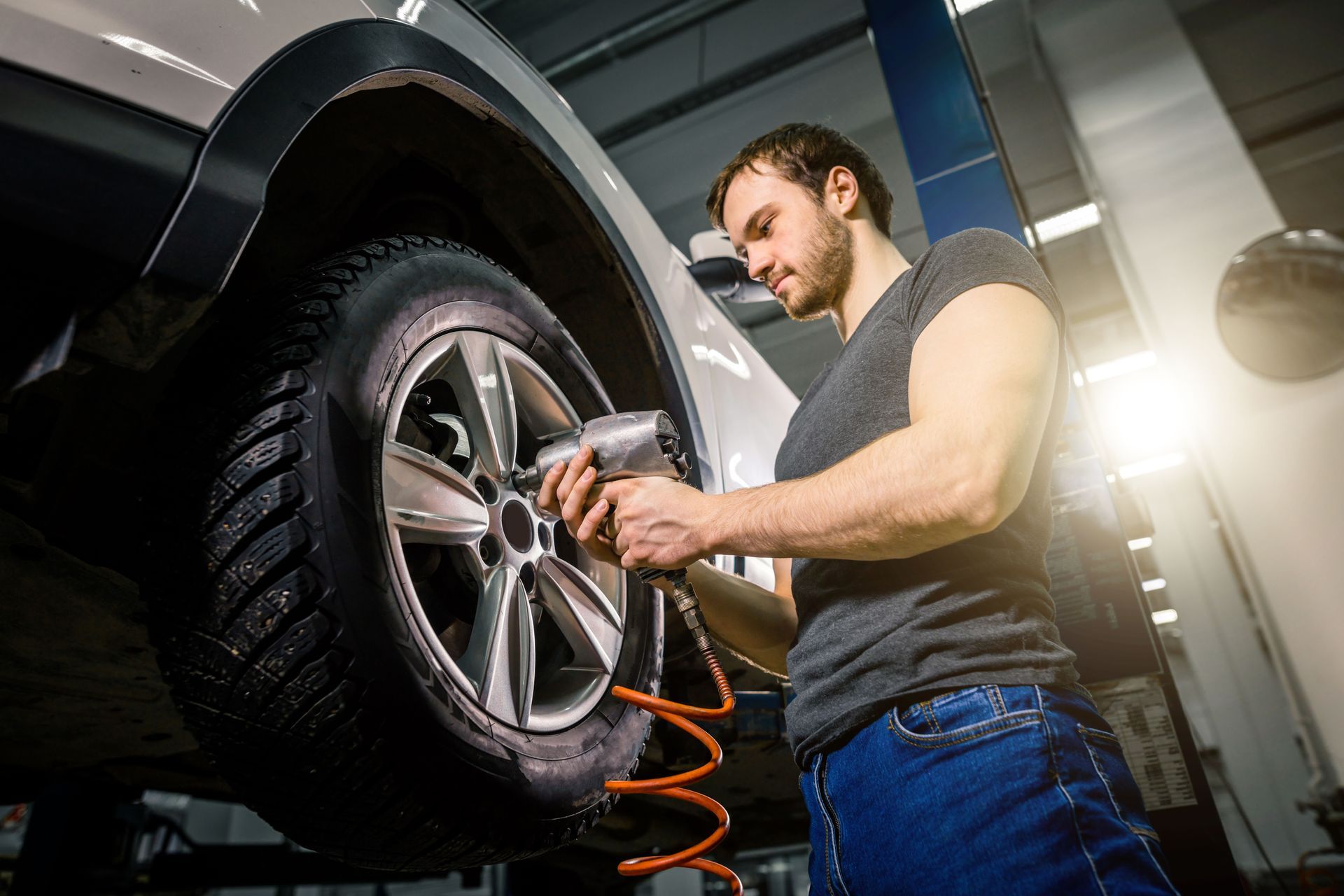
Integrating modern tire pressure monitoring systems provides real-time alerts whenever air pressure drops below safe operational thresholds. These electronic sensors notify drivers immediately, allowing them to inflate tires or seek mechanical repairs before catastrophic failure occurs. Partnering with qualified automotive specialists ensures alignment, balancing, and tread health receive professional evaluation. Working alongside a reputable tow truck provider helps drivers address tire wear proactively before long trips begin across high-speed highway networks.
Tire blowouts represent sudden, dangerous interruptions to highway travel, but understanding their causes and recognizing warning signs minimizes road risks. From managing proper inflation to responding calmly during control loss, proactive habits safeguard drivers and passengers alike. When severe tire damage leaves a vehicle stranded in active traffic, securing a tow truck promptly minimizes risk and restores safety to the roadway.
Maintaining structural tire integrity through regular inspections remains the best defense against unexpected roadside emergencies. When emergency situations do arise, relying on experienced recovery professionals ensures efficient vehicle transport and complete peace of mind. To keep your vehicle safe on the road, contact our team at Barker's Towing & Auto Repair for fast tow truck assistance.