October 12, 2026
Managing high-capacity industrial equipment demands a deliberate, highly organized approach to maintenance and operational oversight. Unexpected machinery failures do not merely delay single projects; they trigger severe cascading effects that disrupt entire supply chains and jeopardize overall enterprise profitability. To navigate these high-stakes operational environments, commercial fleets and industrial enterprises must implement sophisticated maintenance protocols, leverage modern sensor technologies, and prioritize rigorous workforce training. By replacing reactive repair habits with structured, data-driven procedures, organizations can dramatically minimize unplanned downtime, protect critical assets, and sustain maximum operational efficiency across all phases of service.
Establishing a resilient operational framework requires continuous evaluation of equipment performance and environmental exposure. Fleet managers must continuously evaluate stress factors ranging from continuous heavy loads to extreme weather conditions that threaten mechanical component integrity. Proactive risk management involves mapping out common point-of-failure trajectories and establishing strict maintenance protocols before minor component wear escalates into catastrophic failure. Implementing this systematic approach ensures that every vehicle and machine operates within safe parameters, thereby preserving long-term capital investments, minimizing financial risk, and keeping critical infrastructure moving without unnecessary interruption.
Managing Maintenance Routines for Fleet Longevity
Preventing sudden equipment failure relies heavily on maintaining rigorous, uninterrupted service schedules tailored to specific operational demands. Ignoring routine inspections creates severe operational vulnerabilities, allowing minor component fatigue or fluid degradation to escalate into catastrophic mechanical breakdown. Comprehensive service schedules must systematically address oil and filter changes, system recalibrations, and thorough structural checks to ensure every component functions at peak efficiency. Additionally, adherence to scheduled upkeep protects valuable manufacturer warranties, ensuring that organizations remain eligible for coverage while extending the operational lifespan of their core assets.
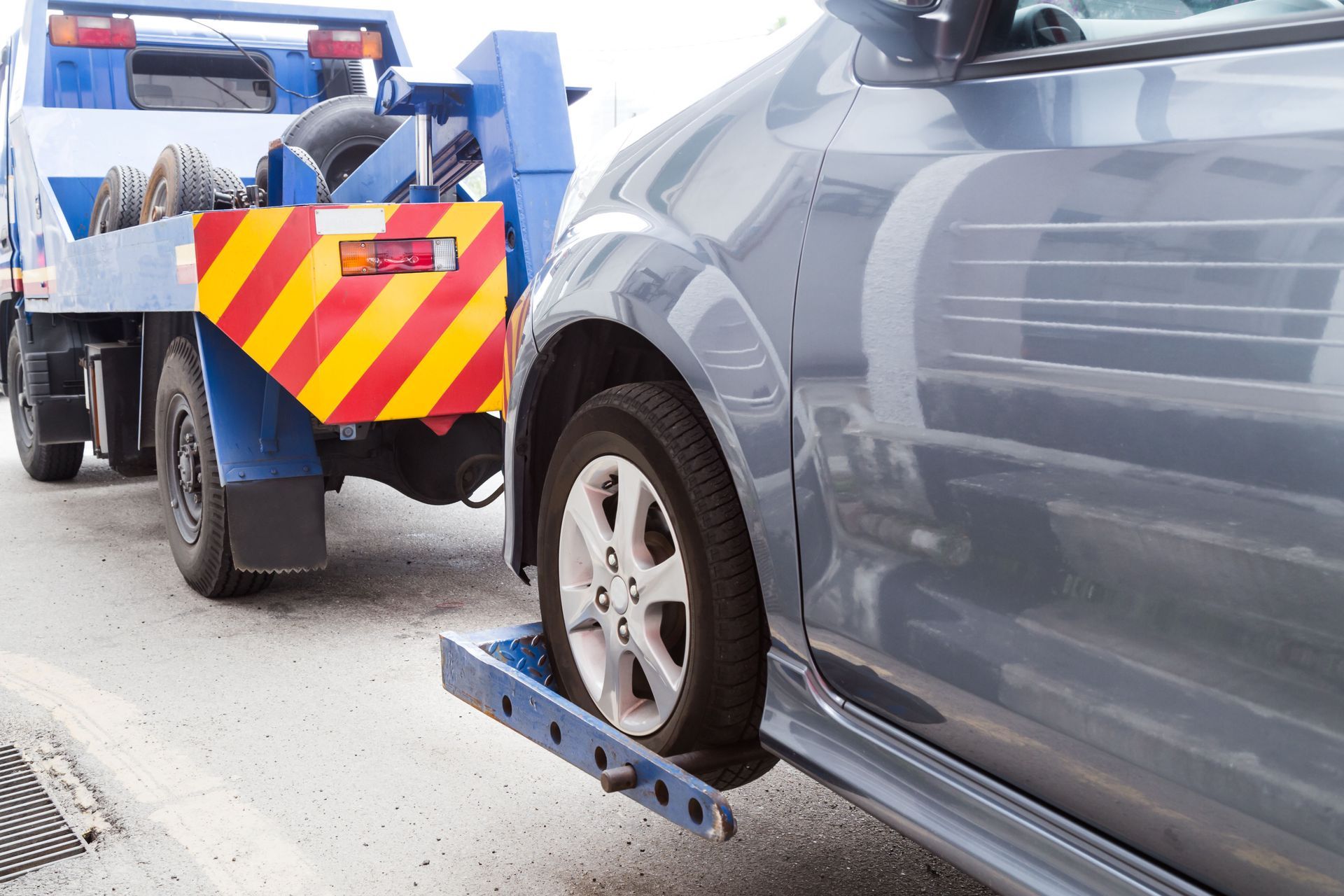
Beyond standard component replacement, detailed documentation and tracking systems are necessary to ensure consistency across entire enterprise fleets. Recording precise historical service data allows fleet managers to identify recurring performance patterns and optimize service intervals based on actual field usage. Furthermore, when unforeseen structural or mechanical failures occur during transit, utilizing professional heavy duty towing services ensures that compromised equipment is safely removed and transported to repair facilities without inflicting further damage. Establishing these structured operational habits reduces emergency repair costs, maintains steady productivity, and fosters an enterprise-wide culture of accountability.
Optimizing Component Durability and Handling Wear
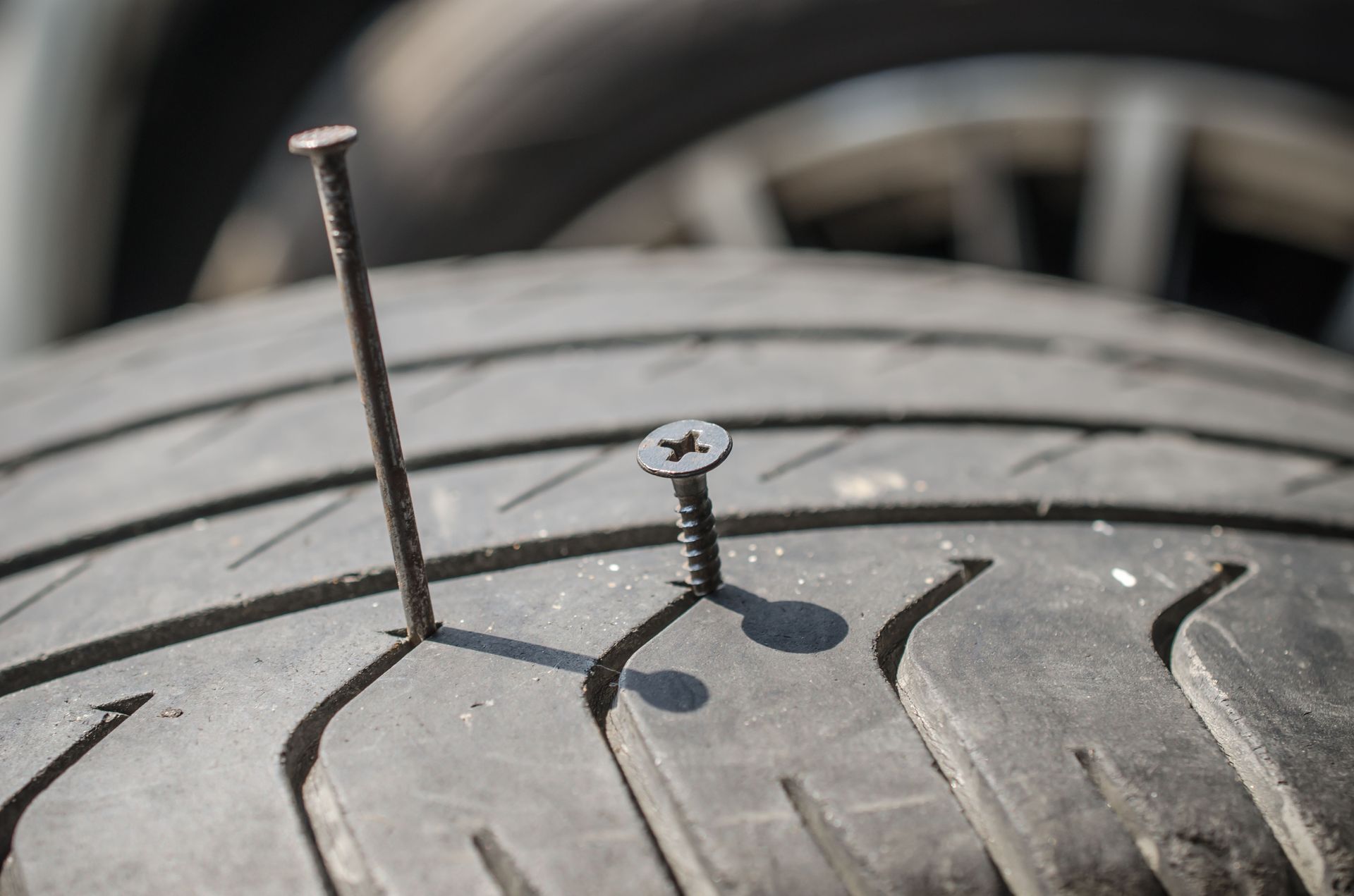
Mechanical components subjected to continuous, high-intensity operations inevitably experience friction, thermal stress, and material degradation. Crucial elements such as bearings, seals, gears, and drive belts require continuous evaluation to prevent unexpected physical failure during peak operating hours. Operating in harsh outdoor environments further accelerates component deterioration due to exposure to corrosive elements, airborne particulates, and extreme temperature fluctuations. To combat these relentless stressors, organizations must adopt proactive component replacement strategies based on rigorous material analysis rather than waiting for visible mechanical breakdown.
Minimizing the overall impact of mechanical wear requires investing in high-grade, durable replacement parts and delivering specialized training to frontline equipment operators. Skilled operators who recognize early warning indicators like as subtle changes in operating temperature or abnormal structural vibrations can initiate early maintenance interventions before major damage occurs. Standardizing the use of premium components further enhances overall system resilience, reducing the needed frequency of emergency part replacements. When severe mechanical failures occur far from service bays, specialized heavy duty towing logistics are critical for transporting massive machinery safely, preventing further operational disruption.
Mitigating Human Errors and Operational Risks
Human error represents a major yet preventable cause of unexpected industrial equipment failure. Operating heavy machinery beyond rated load capacities, misconfiguring control settings, or neglecting essential pre-operation safety protocols directly compromises machine stability and accelerates internal wear. These operational mistakes not only lead to costly equipment downtime but also introduce serious workplace safety hazards. Addressing these vulnerabilities requires a dual strategy that combines comprehensive operator instruction programs with integrated software fail-safes that automatically enforce safe operational parameters.
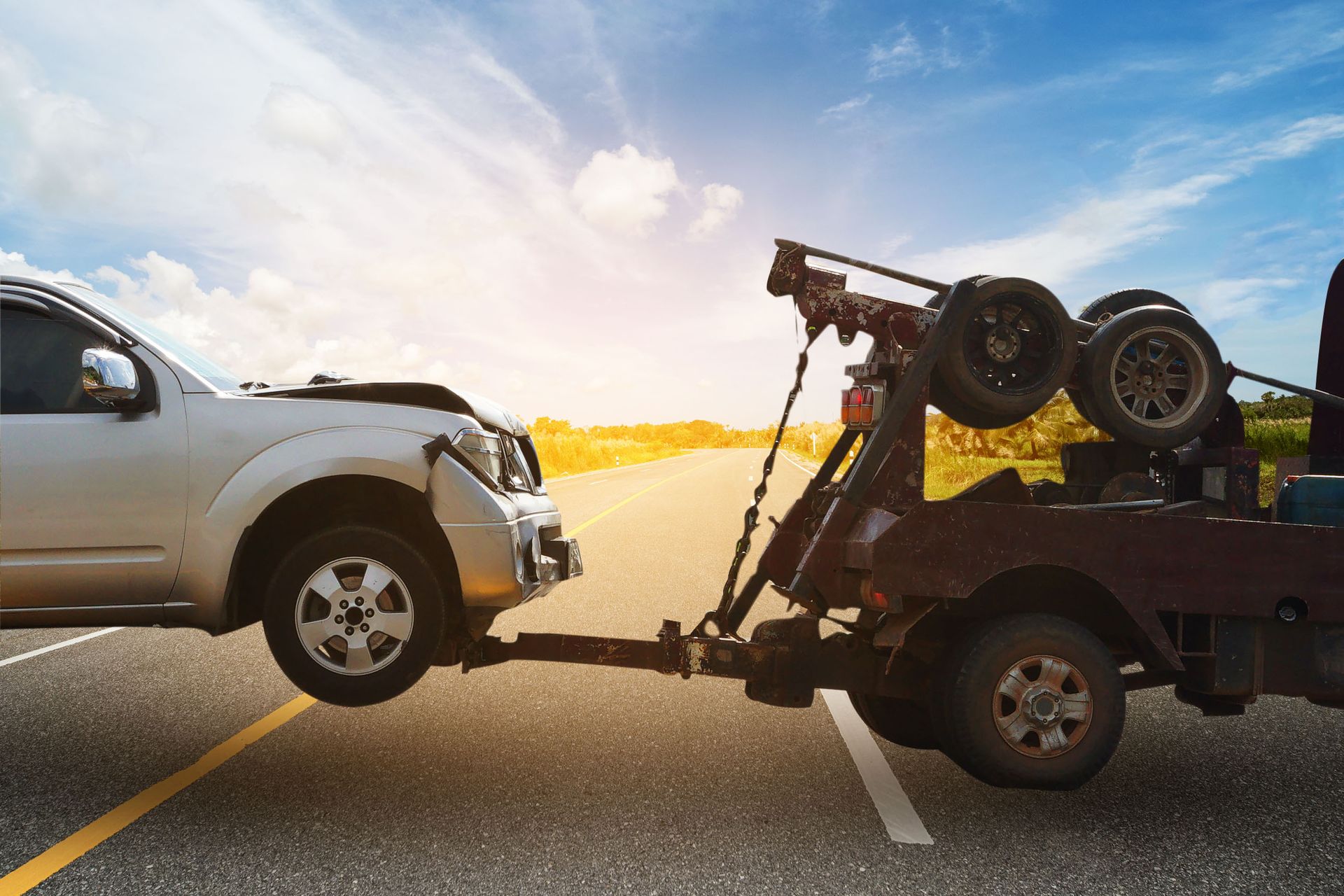
Continuous operator education must emphasize standardized operating procedures, advanced troubleshooting techniques, and the critical importance of adhering to equipment limits. Modern machinery increasingly incorporates intuitive user interfaces and automated monitoring systems that detect input errors in real time, providing immediate feedback to operators. When operational mistakes or unforeseen field accidents disable a massive vehicle, relying on professional heavy duty towing recovery teams ensures the prompt clearance of compromised assets from active work sites. Empowering staff with thorough technical knowledge while utilizing automated safeguards significantly reduces human-induced mechanical failure.
Safeguarding Equipment Against Environmental Stressors
Severe environmental conditions such as extreme heat, freezing temperatures, high humidity, and heavy dust accumulation present significant hazards to heavy industrial machinery. Thermal stress can rapidly overheat engine systems, while airborne grit and moisture infiltrate sensitive mechanical housings, causing corrosion, premature wear, or electrical short circuits. Operations deployed in remote or harsh geographical regions must account for these environmental variables when formulating overall maintenance schedules. Failing to shield sensitive components from harsh external elements significantly increases the likelihood of sudden mechanical failure during critical operations.
To mitigate environmentally induced failures, engineering teams must implement targeted protective measures, including specialized thermal insulation, weather-sealed enclosures, and climate-controlled operator cabs. Integrating real-time sensor arrays allows operators to continuously monitor core thermal metrics and receive instant alerts if environmental conditions exceed safe parameters. Should extreme weather or remote terrain cause a vehicle to overheat or stall completely, arranging specialized heavy duty towing solutions provides the immediate logistical support needed to retrieve disabled machinery. Strategic environmental protection combined with prompt emergency response preserves equipment health under challenging conditions.
Resolving Technology Integration and System Failures
As industrial machinery becomes increasingly reliant on complex electronic control units, digital sensors, and integrated software, technology-related failures introduce novel operational challenges. Complex software glitches, outdated firmware, and hardware incompatibility between modern systems and legacy machinery can unexpectedly paralyze heavy equipment. Furthermore, as fleet operations connect to centralized digital networks, robust cybersecurity protections become essential to prevent unauthorized access or malicious system disruptions. Managing these modern risks requires an active commitment to digital infrastructure oversight and lifecycle management.
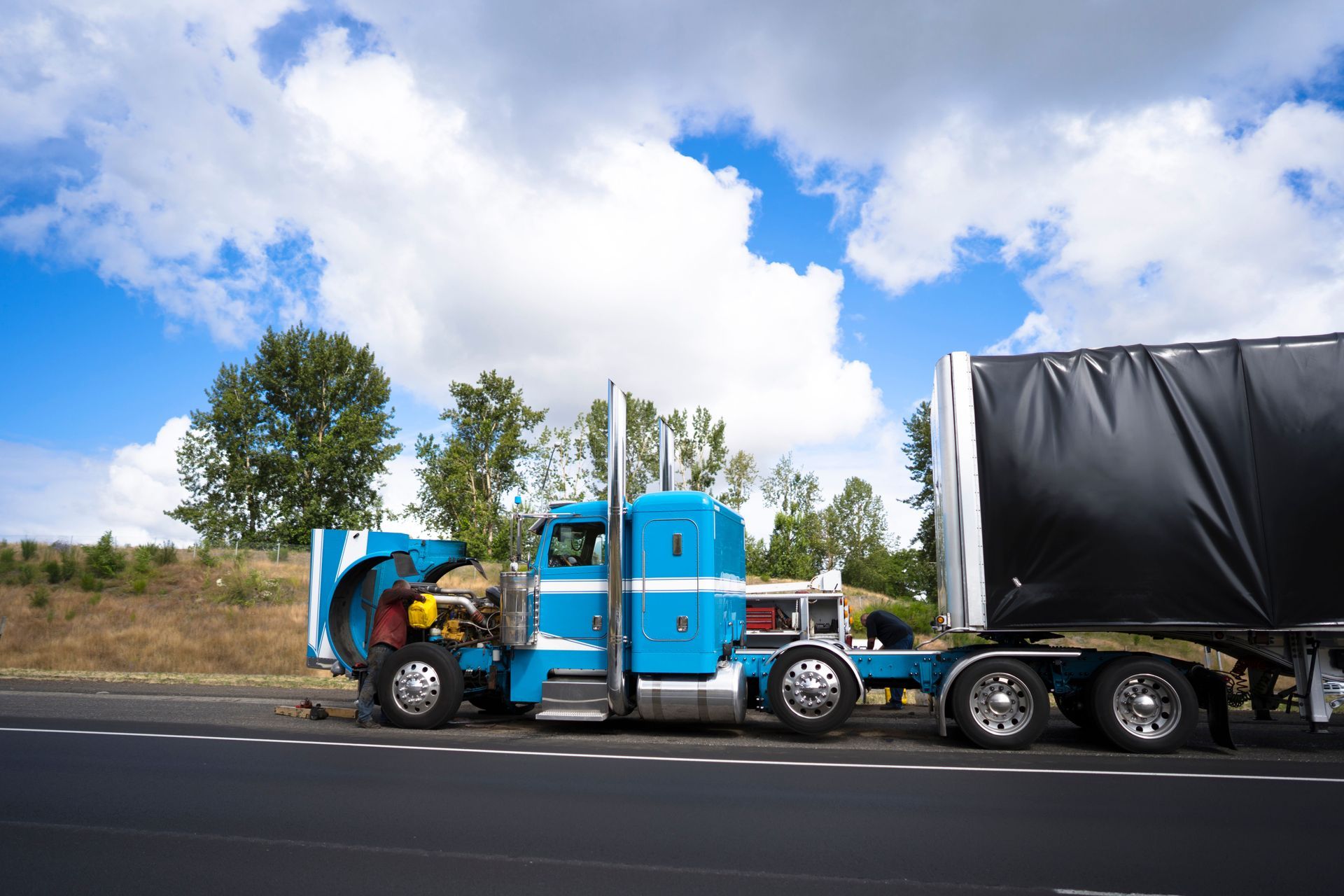
Routine software updates, systematic digital audits, and strict data encryption protocols are essential for maintaining the operational integrity of modern industrial equipment. Technical teams must rigorously test new software integrations against existing hardware configurations to prevent unexpected system lockouts or parameter miscalculations. In the event that a critical electronic control unit fails completely while on the road, dispatching heavy duty towing specialists ensures that the immobilized vehicle is transported safely to a certified diagnostic facility. Balancing advanced technological tools with trained diagnostic personnel ensures long-term enterprise adaptability and operational resilience.
Integrating proactive maintenance strategies, diagnostic technologies, and structured operational workflows is essential for maintaining total fleet reliability. By examining factors such as vibration, sound, temperature, and electrical flows, predictive tools provide insights into machinery health. According to Precision Reports, as global vehicle ownership exceeds 1.4 billion units and annual road accidents surpass 1.3 million, the necessity for predictive maintenance tools only becomes more evident, especially in sectors like transportation where reliability is crucial. Investing in high-quality replacement components, maintaining organized spare parts inventories, and deploying real-time diagnostic systems allows enterprises to resolve mechanical issues before they disrupt production schedules.
Sustaining continuous operational uptime requires a reliable partner who understands the complexities of commercial equipment transport and emergency recovery. When unexpected mechanical failures occur, having access to rapid, professional
heavy duty towing services minimizes roadside downtime and keeps overall supply chain operations moving efficiently. Partnering with experienced recovery professionals ensures that your valuable commercial fleet receives immediate, safe, and expert transport whenever unexpected breakdowns occur. Contact Barker's Towing & Auto Repair today to secure reliable commercial transport and emergency response solutions tailored specifically to your enterprise needs.