March 30, 2026
Road safety is a multifaceted concept that involves driver behavior, weather conditions, and, perhaps most importantly, the mechanical integrity of the vehicle itself. Among all the components of your car, the tires are the only point of contact with the pavement. This small patch of rubber is responsible for steering, braking, and maintaining traction under various conditions. Despite this critical role, many drivers overlook the necessity of professional tire service until a failure occurs. Prioritizing the health of your tires is one of the most effective ways to prevent accidents and ensure that you and your passengers reach your destination safely.
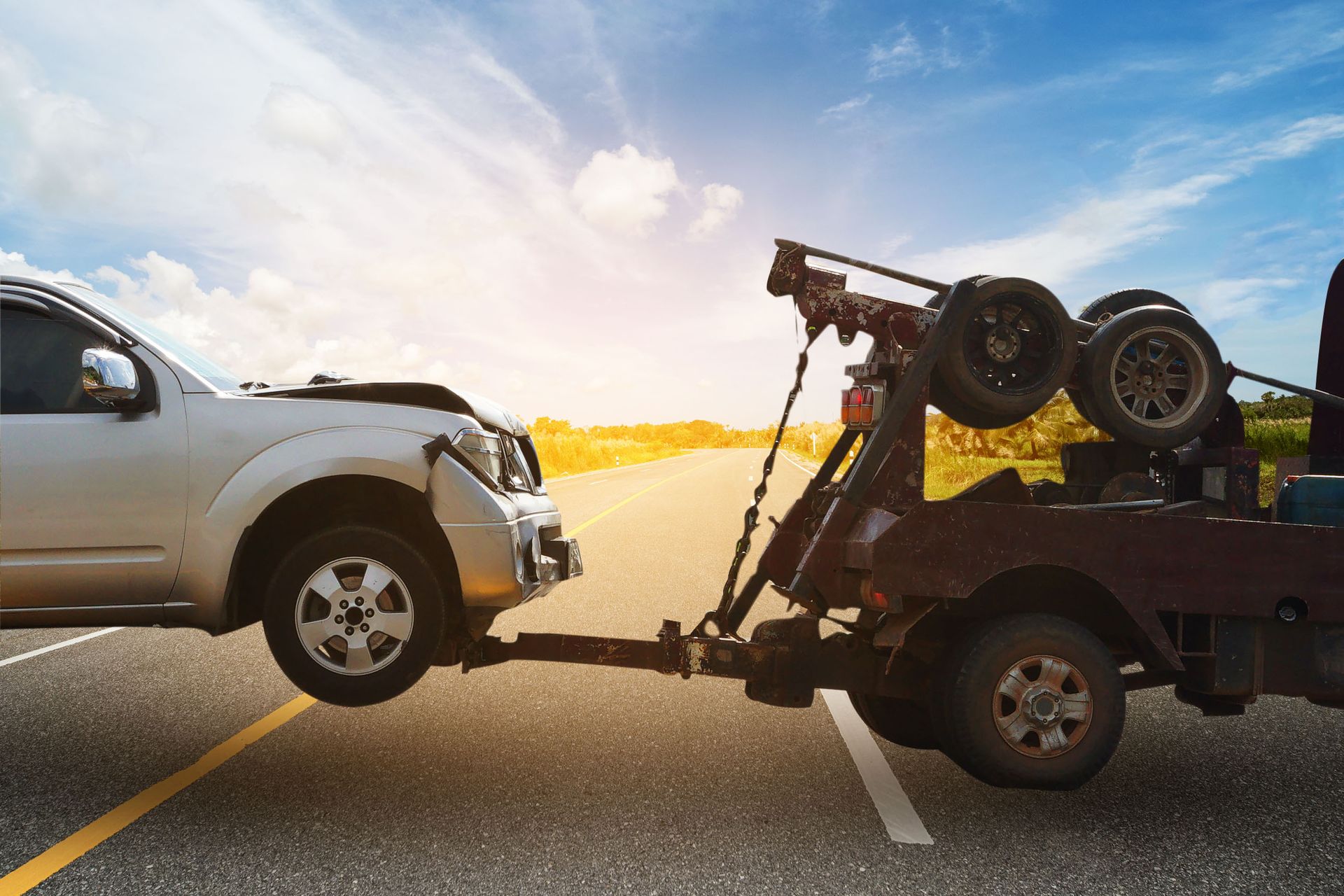
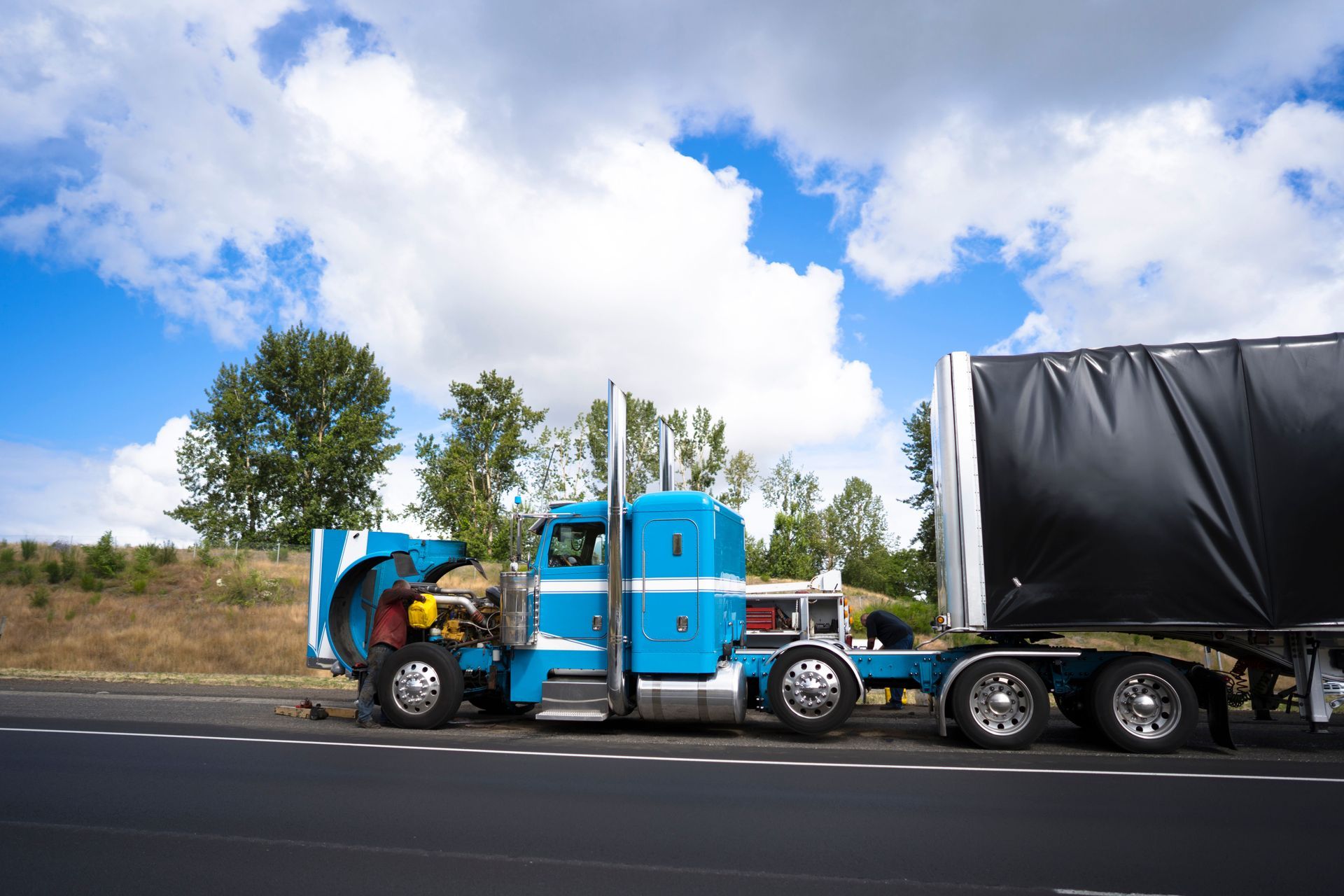
The consequences of vehicle neglect are evident on our highways every single hour. According to LookupAPlate, around 55,000 vehicles are towed every day in the United States. Many of these incidents are the result of preventable mechanical issues, with tire failures being a leading cause of roadside breakdowns. Whether it is a blowout at high speeds or a flat tire in the middle of a busy intersection, these situations are dangerous for the driver and everyone else on the road. By investing in regular maintenance, you can significantly reduce the likelihood of becoming part of that daily statistic.
1. Enhances Traction and Grip on Wet Surfaces
One of the primary functions of tire service is ensuring that your tread depth is sufficient to handle adverse weather. The grooves in your tires are specifically designed to channel water away from the contact patch, allowing the rubber to maintain a firm grip on the road. As tires wear down, these grooves become shallower, making it much harder for the vehicle to displace water. This often leads to hydroplaning, a terrifying situation where the vehicle loses contact with the road and skims across the surface of the water, leaving the driver with no control over steering or braking.
A professional technician can accurately measure your tread depth and identify when your tires have reached a dangerous level of wear. In addition to tread depth, the overall condition of the rubber is inspected. Over time, rubber can become hard or develop dry rot, which further reduces its ability to grip the pavement, even if the tread looks acceptable. Maintaining high-quality traction is essential for safe cornering and preventing skids, especially during the unpredictable rainstorms that can strike at any time. When your tires are in peak condition, your car handles with the precision intended by the manufacturer.
2. Improves Braking Efficiency and Stopping Distances
Braking power is only as effective as the tires' ability to hold the road. Even the most advanced anti-lock braking systems (ABS) cannot overcome the physics of bald or underinflated tires. Regular tire service includes maintaining the correct air pressure, which is vital for an even footprint. When a tire is underinflated, the edges of the tread bear the brunt of the weight, causing the center to bow inward and reducing the surface area available for braking. This can add several car lengths to your stopping distance, which can be the difference between a near-miss and a rear-end collision.
Stopping distances are even more critical in emergency situations where every millisecond counts. Properly inflated and balanced tires respond immediately to the pressure of the brake pads, allowing the vehicle to shed speed quickly and predictably. During a routine service visit, technicians check for uneven wear patterns that could indicate alignment issues. Correcting these problems ensures that your car doesn't pull to one side during hard braking. By keeping your braking system synchronized with healthy tires, you gain a vital safety margin that protects you in heavy traffic and sudden stops.
3. Prevents Dangerous High-Speed Blowouts
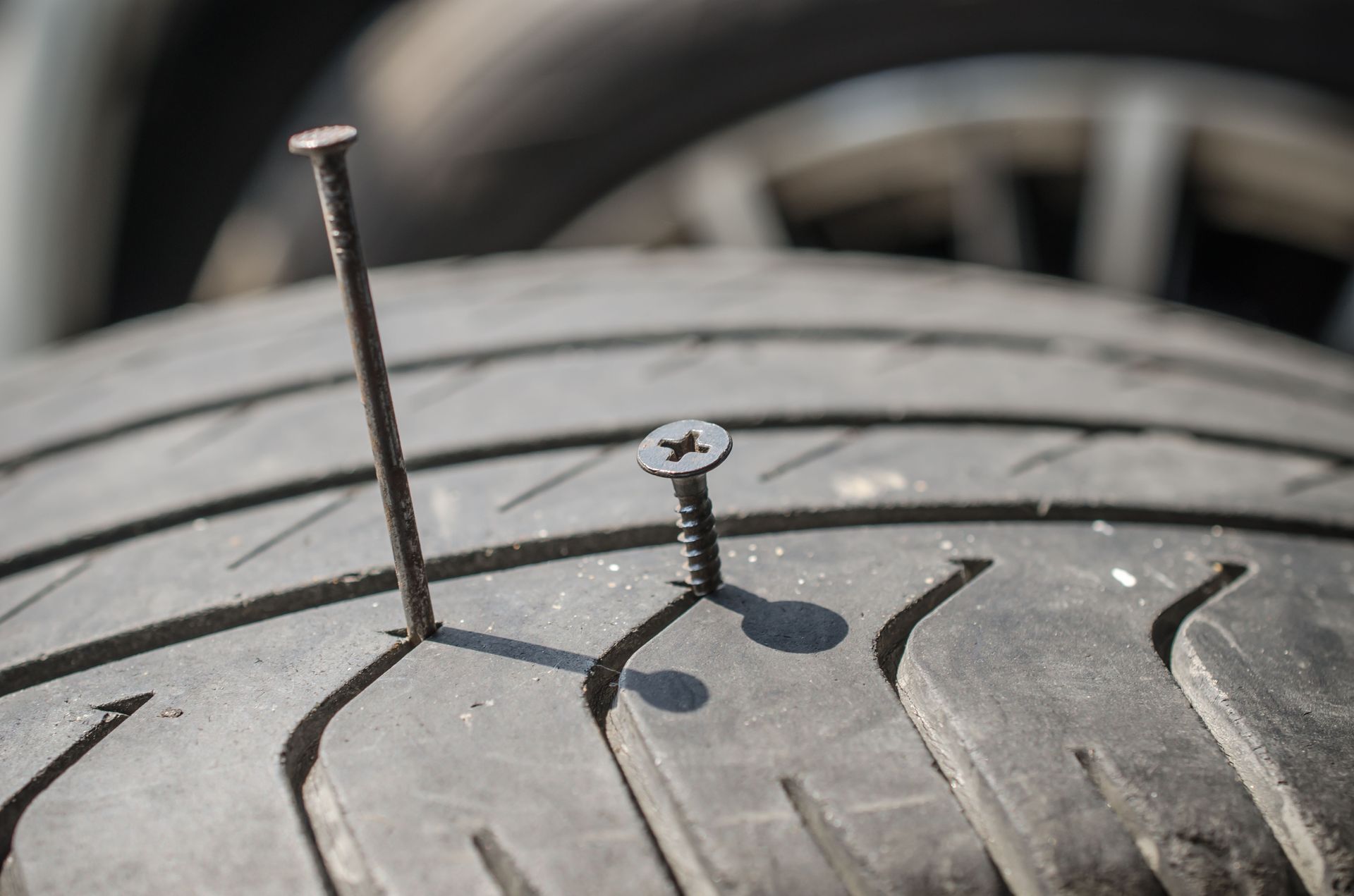
A tire blowout at highway speeds is one of the most harrowing experiences a driver can face. Blowouts are often the result of structural weaknesses in the tire that have gone unnoticed. Common causes include internal cord damage, sidewall bulges, or excessive heat buildup due to chronic underinflation. Professional tire service involves a thorough inspection of the sidewalls and the inner liner for any signs of "bubbling" or impact damage from potholes and curbs. Catching these structural flaws early is the only way to prevent a catastrophic failure while driving at high velocities.
Heat is a major enemy of tire longevity. When a tire is low on air, the sidewalls flex more than they should, generating internal heat that can eventually cause the rubber to delaminate from the internal steel belts. Regular pressure checks and rotations help distribute the load and heat more evenly across all four tires. By ensuring that your tires are structurally sound and properly inflated, you eliminate the leading causes of blowouts. This proactive approach to maintenance keeps your vehicle stable and prevents the loss of control that often leads to rollover accidents on the highway.
4. Maintains Proper Vehicle Alignment and Handling
Alignment is a critical component of tire service that directly impacts how your vehicle navigates the road. When your wheels are out of alignment, the vehicle may "pull" to one side, forcing the driver to constantly correct the steering. This not only causes driver fatigue but also makes it much harder to perform evasive maneuvers in an emergency. Misalignment is often caused by hitting a significant pothole or a curb, and the resulting uneven wear can ruin a brand-new set of tires in just a few thousand miles.
Properly aligned wheels ensure that the tires are perpendicular to the ground and parallel to each other. This geometric precision allows the vehicle to track straight and respond accurately to steering inputs. During a service appointment, specialized equipment is used to reset the angles of the wheels to the manufacturer's specifications. This ensures that the tires wear evenly and that the suspension system is not under undue stress. A vehicle that handles predictably is a safer vehicle, allowing you to maintain better control during lane changes and tight turns.
5. Ensures Pressure Monitoring Systems Function Correctly
Most modern vehicles are equipped with a Tire Pressure Monitoring System (TPMS) that alerts the driver when a tire is significantly low on air. However, these sensors are not infallible and require their own form of tire service to remain accurate. Sensors can become clogged with debris, the batteries can die, or they can be damaged during tire mounting. A professional technician will test the TPMS to ensure that the sensors are communicating correctly with the vehicle's computer, providing you with a reliable early warning system for leaks.
The safety of our roads depends on the collective responsibility of every driver to maintain their vehicle. While it is easy to focus on the convenience of getting from point A to point B, the mechanical health of your tires is the foundation of every safe journey. By avoiding the common pitfalls of neglect and investing in professional maintenance, you protect yourself and others from the hazards of tire failure. If you ever find yourself in a difficult situation on the roadside, remember that help is never far away. Barker's Towing & Auto Repair is dedicated to keeping our community safe through expert tire service and reliable recovery. Call today to learn more about our maintenance options and how we can help you stay safe on the road. We are here to ensure that your vehicle remains a dependable part of your daily life.