May 9, 2026
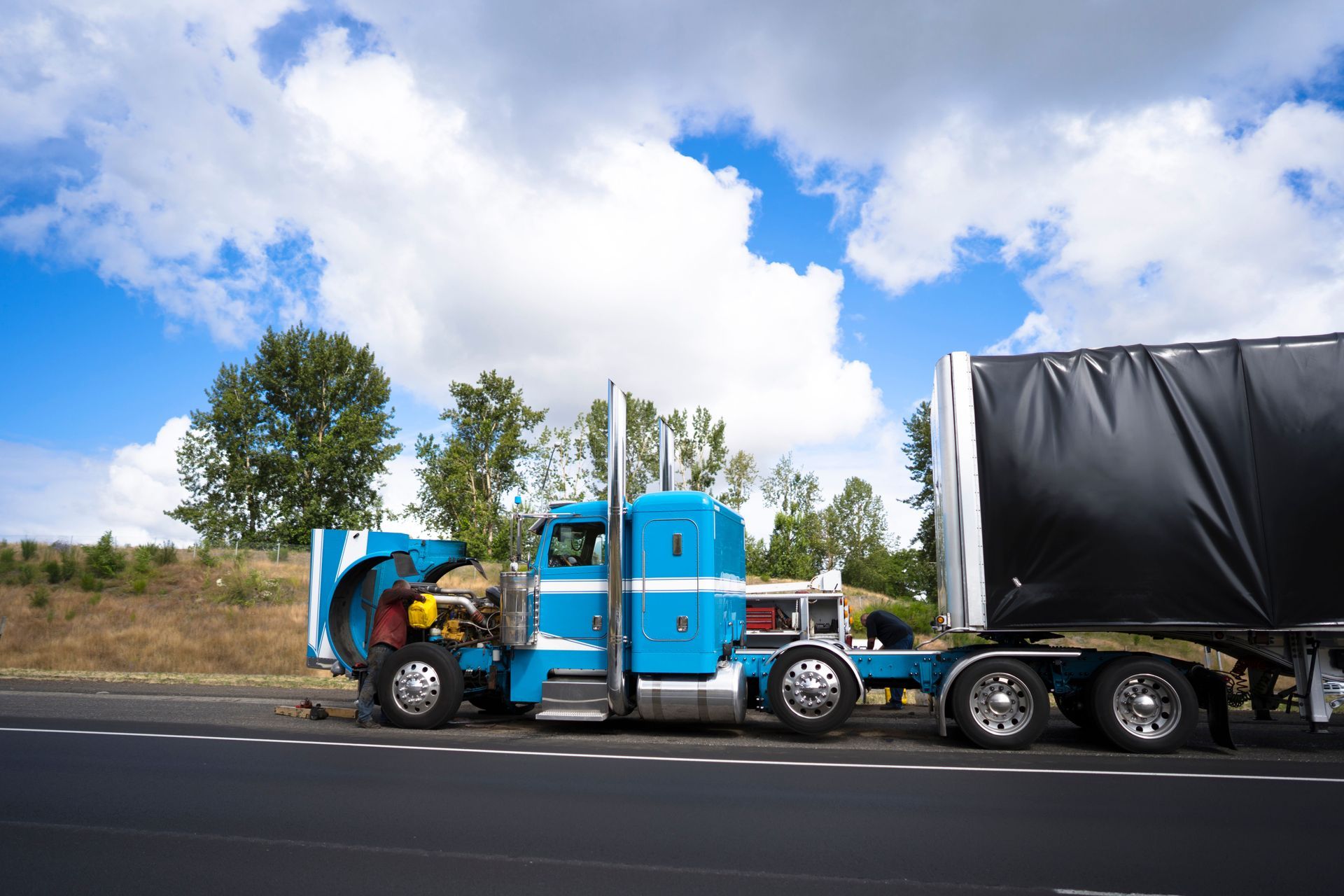
Businesses today operate in environments where timing, coordination, and reliability directly influence performance. When commercial vehicles break down or oversized equipment needs relocation, operations can quickly stall without the right support. This is where heavy duty towing becomes a practical solution that keeps logistics moving without unnecessary delays.
Rather than treating towing as an emergency-only service, many companies now view it as part of their operational planning. The ability to respond quickly to disruptions helps maintain delivery schedules and reduces strain on internal teams. Over time, this support function has become a quiet but essential layer in business continuity planning. It also strengthens overall operational resilience by limiting how long assets remain inactive during unexpected breakdowns or transport issues. In practice, this means fewer delays cascading through schedules and a more stable flow of day-to-day logistics even when disruptions occur.
Ensuring Safety and Securing With Professional Handling
Safety is one of the most immediate concerns when large commercial vehicles are involved in breakdowns or relocations. Improper handling can create hazards for drivers, cargo, and surrounding traffic, especially on busy routes. Heavy duty towing provides structured processes that prioritize control, stability, and safe vehicle recovery from the start.
Trained operators use specialized equipment designed specifically for oversized loads, reducing the risk of damage during movement. This level of precision is not something general roadside support can typically provide. Businesses benefit from knowing that both their assets and public safety are being managed responsibly.
Driver expertise also plays a major role in reducing incident escalation during recovery situations. Skilled operators are trained to assess road conditions quickly and make adjustments in real time. This reduces uncertainty and keeps both recovery operations and surrounding traffic safer overall.
Minimizing Downtime and Reducing Costs With Faster Recovery
Operational downtime often carries hidden costs that extend beyond immediate repairs or delays. Missed deliveries, stalled production schedules, and disrupted workflows can all accumulate financial pressure quickly. Heavy duty towing helps reduce these impacts by enabling faster recovery of disabled commercial assets.
Response time is a critical factor here, especially when vehicles are blocking key logistics routes. Rapid intervention helps restore movement and prevents minor incidents from becoming larger operational setbacks. Businesses that rely on time-sensitive transport especially benefit from this speed of service.
Recovery efficiency also supports better resource allocation within companies. Instead of redirecting internal teams to manage transportation issues, operations can continue with minimal interruption. This allows businesses to maintain focus on core functions rather than reactive problem-solving.
Protecting Cargo and Assets With Careful Transporting
Protecting valuable cargo during transport disruptions is a major priority for any business moving goods or equipment. Damage during recovery or towing can lead to significant financial losses and supply chain delays. Heavy duty towing focuses on stabilizing loads and ensuring secure handling throughout the entire process.
Operators typically assess weight distribution and cargo sensitivity before initiating movement. This reduces the risk of shifting loads or secondary damage during transit. Businesses benefit from knowing that their assets are not only being moved but actively safeguarded.
In addition, structured towing methods help maintain product integrity even in difficult conditions. Whether dealing with mechanical failure or accident recovery, careful handling ensures that goods remain protected until they reach their next destination. This level of care supports long-term trust in transportation partners.
Enhancing Reputation and Trust With Reliable Partnering
A company’s reputation is often shaped by how consistently it meets its commitments. Transportation delays or equipment failures can negatively affect customer relationships if not handled efficiently. Heavy duty towing supports reliability by ensuring disruptions are resolved quickly and professionally.
Consistency in response builds trust between service providers and businesses over time. When companies know they can depend on timely recovery support, they are more confident in expanding operations or accepting larger contracts. Reliability becomes part of their competitive advantage.
According to IBISWorld, there were approximately 40,287 towing businesses operating in the United States in 2025, reflecting the scale and demand of this service industry. This widespread presence highlights how essential towing support has become across commercial sectors. The growth of this network also improves accessibility and response coverage for businesses nationwide.
Leveraging Advanced Equipment and Technology With Smarter Operating
Modern towing operations rely heavily on upgraded equipment and digital tools to improve precision and efficiency. Hydraulic systems, advanced rigging, and tracking technology all contribute to safer and more controlled vehicle recovery. Heavy duty towing has evolved significantly due to these technological improvements.
Equipment advancements allow operators to handle more complex recovery scenarios with reduced risk. This includes heavier loads, difficult terrain, and high-pressure roadside conditions. Businesses benefit from this capability through faster turnaround and fewer complications during recovery.
Technology also improves communication and coordination between dispatch teams and field operators. Real-time updates help businesses stay informed during the recovery process, reducing uncertainty and improving planning. This transparency adds another layer of confidence for companies relying on external support.
Coordinating Efficiency and Route Planning With Faster Responding
Efficient coordination plays a key role in reducing delays during vehicle recovery operations. Route planning systems help towing teams identify the fastest and safest paths to incident locations. Heavy duty towing relies on this coordination to maintain consistent response performance.
Traffic conditions, road restrictions, and weather patterns are all factored into dispatch decisions. This level of planning helps reduce unnecessary delays and improves overall service reliability. Businesses benefit from quicker resolution times and less disruption to scheduled operations.
Clear communication between drivers, dispatch teams, and clients also supports smoother operations. When everyone is aligned, recovery efforts become more predictable and efficient. This coordination helps minimize confusion during already stressful situations.
Supporting Compliance and Industry Growth With Scalable Operating
Regulatory compliance is an important part of commercial transport and recovery services. Heavy duty towing providers must adhere to safety standards, equipment regulations, and operational guidelines to remain effective. This ensures consistency and accountability across the industry.
As demand continues to grow, scalability has become increasingly important for service providers. Companies need the ability to handle both routine and large-scale recovery operations without compromising quality. Heavy duty towing supports this scalability through structured systems and trained personnel.
The industry’s expansion reflects its importance in modern logistics and transportation networks. Businesses now depend on these services not just for emergencies, but as part of ongoing operational planning. This shift highlights how essential towing support has become in maintaining commercial stability.
Reliable recovery support has become an integral part of how modern businesses manage transportation challenges and operational risk. From safety and cost control to cargo protection and reputation management, structured towing services help maintain continuity when disruptions occur. As industries continue to grow more dependent on time-sensitive logistics, these services remain a practical operational safeguard that helps reduce downtime and keeps operations moving under pressure.
Businesses that integrate dependable towing support into their planning reduce exposure to delays and improve overall efficiency. Strong coordination, advanced equipment, and professional handling all contribute to more stable outcomes during unexpected events. Over time, this kind of support also strengthens supply chain reliability and helps businesses respond more confidently to roadside incidents without derailing daily operations.
Beyond immediate recovery, consistent access to professional support also helps companies better manage long-term operational risk. It creates a more predictable response structure during emergencies, which reduces stress on internal teams and improves decision-making in critical moments. For consistent roadside recovery support and dependable service, contact Barker's Towing & Auto Repair.