November 15, 2026
Driving off the dealership lot is just the beginning for many enthusiasts. While most drivers view cars as simple transportation, others see a canvas waiting for upgrades. Regular repair centers handle basic maintenance and standard repairs to keep vehicles running safely. Those looking to push their vehicles beyond factory limits need a different facility. A standard garage restores a car to its original condition, whereas performance centers focus on elevating a vehicle beyond stock capabilities. Understanding the distinction between standard auto shops and speed shops will help you make informed decisions.
Focusing on Power Instead of Routine Maintenance
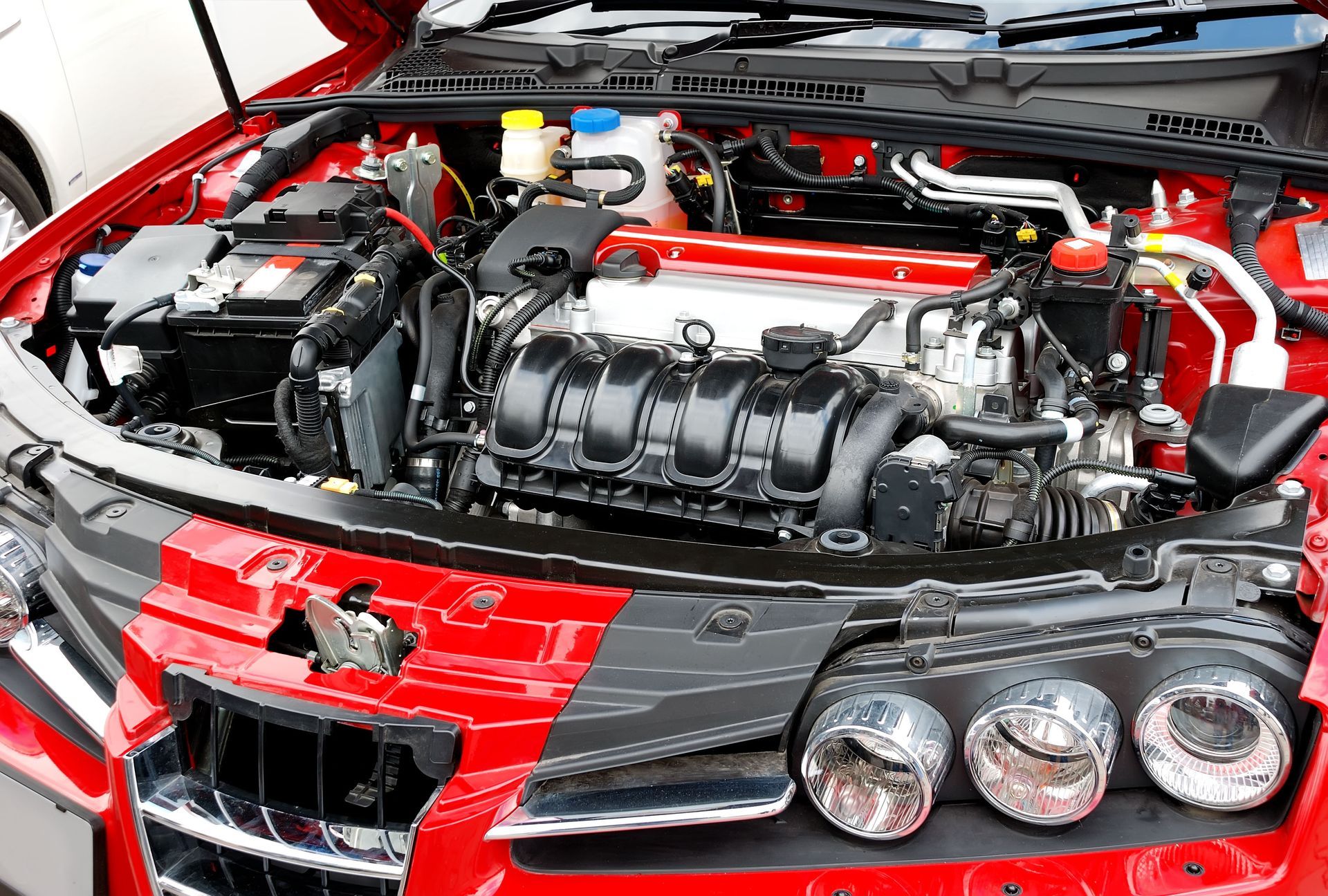
The primary objective of performance-focused centers revolves around extracting maximum capability from a vehicle. Regular garages address breakdowns and perform routine maintenance like replacing fluids or spark plugs. In contrast, performance specialists evaluate a car to find opportunities for enhanced power output and handling characteristics. They look at the engine, suspension, and exhaust systems as components that can be optimized rather than simply maintained. This mindset requires a unique approach prioritizing improvement over basic repair.
Customization forms the backbone of these specialized facilities. Mechanics at a standard center follow factory manuals to ensure every bolt matches original specifications. Performance technicians take a creative route, fabricating custom mounts, tuning engine control units, and designing bespoke exhaust layouts. They build vehicles tailored to the specific driving style of the owner. Whether the goal involves drag racing, drifting, or creating an aggressive street car, the facility adapts its techniques to meet unique demands.
This dedication to pushing limits means the environment inside a performance garage looks different from a typical service center. You'll often see vehicles stripped down to their bare chassis, engines sitting on stands for internal upgrades, and specialized testing equipment like dynamometers. The work takes longer than a standard oil change because building a high-horsepower machine requires precision and careful planning. This dedication to horsepower defines operations at a dedicated speed shop and attracts drivers wanting more.
Applying Technical Expertise and Knowledge
Technicians working in the performance industry possess a deep understanding of automotive physics and aftermarket engineering. Standard mechanics receive training to diagnose engine codes and replace broken factory parts with direct replacements. Performance builders must understand how changing one component affects the entire vehicle ecosystem. If a client wants a larger turbocharger, the technician must upgrade fuel injectors and adjust computer mapping to handle extra airflow. This requires advanced problem-solving skills and a strong grasp of mechanical engineering.
Finding professionals with this expertise is crucial because improper modifications can lead to engine failure. According to Straits Research, the market size of the international car modification market exceeds $64.74 billion, highlighting a significant demand for these specialized skills. As more drivers invest capital into upgrading their vehicles, the need for educated technicians continues to grow. These professionals spend years mastering their craft, often specializing in specific vehicle brands or engine platforms to provide premium service.
The tools used by these technicians also reflect their advanced skill sets. While a traditional mechanic relies on diagnostic scanners and standard hand tools, performance builders utilize specific tuning software and precision measuring instruments. They spend hours strapped into a dynamometer, fine-tuning fuel and ignition timing to extract every ounce of safe power from an engine. This level of technical calibration goes far beyond the scope of a standard dealership bay. It transforms repair into a precise science.
Installing Upgrades Instead of Factory Replacements
Inventory and parts sourcing are another difference between traditional garages and performance centers. Standard repair facilities stock factory replacement parts like air filters, brake pads, and original equipment suspension components. Their goal involves returning the vehicle to the road quickly with standard-issue hardware. Performance facilities source their inventory from aftermarket manufacturers known for producing high-strength racing components. They stock or order forged pistons, high-flow exhaust manifolds, and adjustable suspension kits designed for aggressive track use.
Navigating aftermarket parts requires industry connections and an understanding of component compatibility. A standard mechanic orders a water pump from a local supplier based on a vehicle identification number. A performance facility works directly with specialty manufacturers to source turbos or superchargers fitting a custom engine build. These relationships allow them to offer clients exclusive upgrades you can't find at a neighborhood repair center. They know which brands provide reliable horsepower gains and which ones don't deliver.
Walking into a speed shop often feels like entering a boutique retail store for automotive enthusiasts. Display cases frequently feature polished superchargers, custom alloy wheels, and racing steering wheels. This visual presentation caters to drivers who want to see and touch the upgrades before installing them on their vehicles. The facility acts as both a workshop and a curated showroom for the aftermarket industry. This access to premium performance parts makes these businesses essential for anyone looking to modify their vehicle.
Cultivating a Community of Automotive Enthusiasts
Traditional repair centers operate on a transactional model where customers drop off a broken car and pick it up when repaired. Customers generally don't hang around a mechanic bay to socialize or discuss a recent alternator replacement. Performance centers, conversely, operate as social hubs for the local car community. Enthusiasts gather at these facilities to share ideas, discuss their current vehicle builds, and seek advice from both technicians and fellow drivers. It becomes a collaborative environment rather than a waiting room.
Many performance facilities host open house events, dynamometer shootout days, and weekend car meets to foster this sense of community. A local speed shop often serves as the starting point for weekend rally drives or charity car shows. These events allow customers to showcase the work completed on their vehicles and celebrate their shared passion for automotive culture. Drivers form lasting friendships at these gatherings, bonded by their mutual interest in horsepower and custom fabrication. The business becomes an integral part of the local lifestyle.
This collaborative atmosphere also benefits the building process itself. When bringing a car in for a major modification, customers often work closely with the builder to conceptualize the final product. They discuss horsepower goals, intended track usage, and aesthetic preferences. This ongoing dialogue ensures the final build aligns with the owner's vision. It transforms a simple commercial transaction into a partnership between the driver and the facility. This personalized interaction rarely happens during a standard visit for basic vehicle maintenance.
The automotive world offers various services tailored to different driver needs. When a commuter needs a simple oil change, a reliable neighborhood garage provides the perfect solution. They keep roads safe and ensure engines run smoothly for thousands of miles. However, when an enthusiast wants to add aggressive styling, upgrade a turbo system, or prepare a car for track use, standard repairs fall short. Building high-performance vehicles requires a distinct combination of engineering knowledge, specialized tools, and premium aftermarket parts.
Choosing the right facility depends on what you want to achieve with your vehicle. If your goal involves pushing the limits of speed and handling, partnering with a dedicated speed shop provides the expertise required to make those dreams a reality. You aren't just paying for basic labor; you are investing in a customized driving experience crafted by passionate professionals. These performance centers keep car culture alive by transforming ordinary vehicles into extraordinary machines, delivering excitement every time the driver hits the gas.
When you're ready to upgrade your ride with custom performance modifications, contact the speed shop professionals at Barker's Towing & Auto Repair to schedule your build today.