November 16, 2026
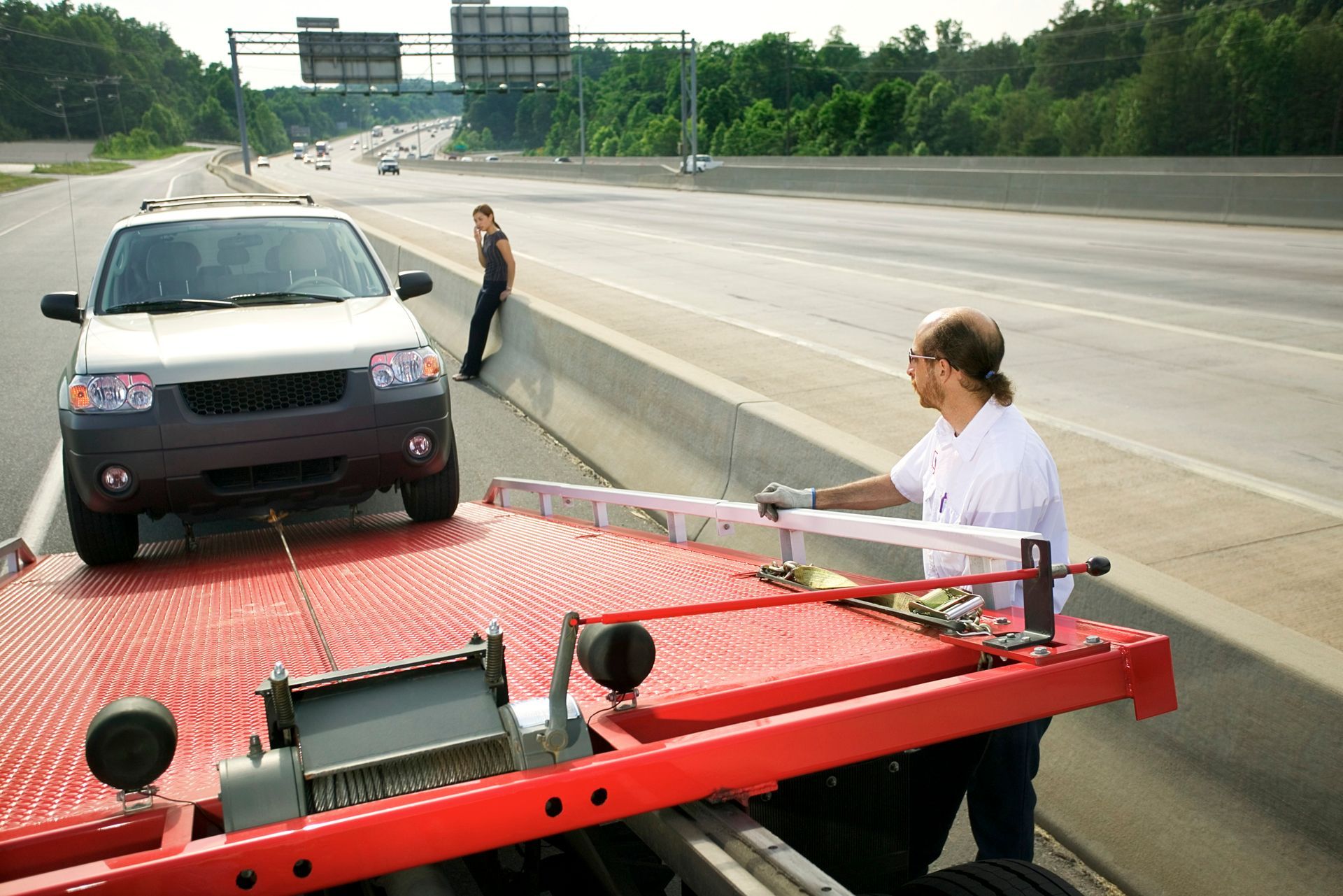
When a vehicle breaks down, gets into an accident, or becomes stranded on the side of the road, drivers need assistance they can depend on. Wrecker services play an important role in keeping roads safer and helping motorists get through unexpected vehicle emergencies. From transporting disabled cars to clearing accident scenes, these professionals respond to a wide range of situations every day. With millions of emergency roadside calls occurring across the country annually, towing companies must coordinate their resources, equipment, and personnel to provide timely assistance.
According to AAA, drivers across the U.S. required emergency roadside assistance over 27 million times in 2024. This high volume demonstrates how frequently motorists encounter problems that prevent them from continuing their journeys. Behind every call is a process involving dispatchers, trained operators, specialized vehicles, and careful coordination. Understanding how these operations work can help drivers appreciate the important role towing professionals play in everyday transportation.
Understanding the Volume of Emergency Calls
Emergency roadside assistance covers much more than traditional towing. Drivers may contact a towing company because of a dead battery, flat tire, engine failure, overheating, or an accident. Some situations require a simple roadside repair, while others involve transporting a vehicle to an auto repair facility. Because these problems can happen at any time, towing companies must be prepared to handle different types of requests throughout the day and night.
The number of calls can also fluctuate depending on weather, traffic conditions, and seasonal driving patterns. Winter storms can increase requests for winch-outs and accident recovery, while summer travel can lead to more breakdowns involving overheated engines or tire problems. Holiday weekends and busy commuting hours may also create periods of increased demand.
For wrecker services, handling this volume requires more than having enough tow trucks available. Companies must understand the nature of each emergency, determine which resources are necessary, and prioritize requests based on urgency. These decisions help ensure that drivers receive appropriate assistance while operators remain available for incoming calls.
Coordinating Calls Through Dispatch Systems
The first step in most roadside assistance requests involves contacting a dispatcher. Dispatchers gather important information from stranded motorists, including their location, vehicle type, and the nature of the problem. They may also ask whether the vehicle is blocking traffic, whether anyone is injured, or whether the driver is in an unsafe location.
Accurate information helps dispatchers determine which operator and equipment should respond. For example, a passenger car with a dead battery may only require a service vehicle equipped for jump-starts. A vehicle involved in a collision, however, may need a flatbed tow truck or specialized recovery equipment.
Modern dispatch systems can help companies organize incoming requests, track available operators, and identify nearby service vehicles. GPS technology makes it easier to monitor truck locations and assign calls based on proximity. This can reduce unnecessary travel and help operators reach stranded motorists more efficiently.
Communication also remains important throughout the process. Dispatchers may provide estimated arrival information, update drivers about delays, and coordinate with operators when circumstances change. These responsibilities help keep multiple roadside assistance requests organized without losing track of individual customers.
Assigning the Right Equipment for Each Situation
Not every roadside emergency can be handled with the same equipment. Different vehicles and recovery situations require specific towing methods, making equipment selection an important part of the response process. Using the wrong type of truck or attempting an unsuitable recovery method can create additional damage or safety concerns.
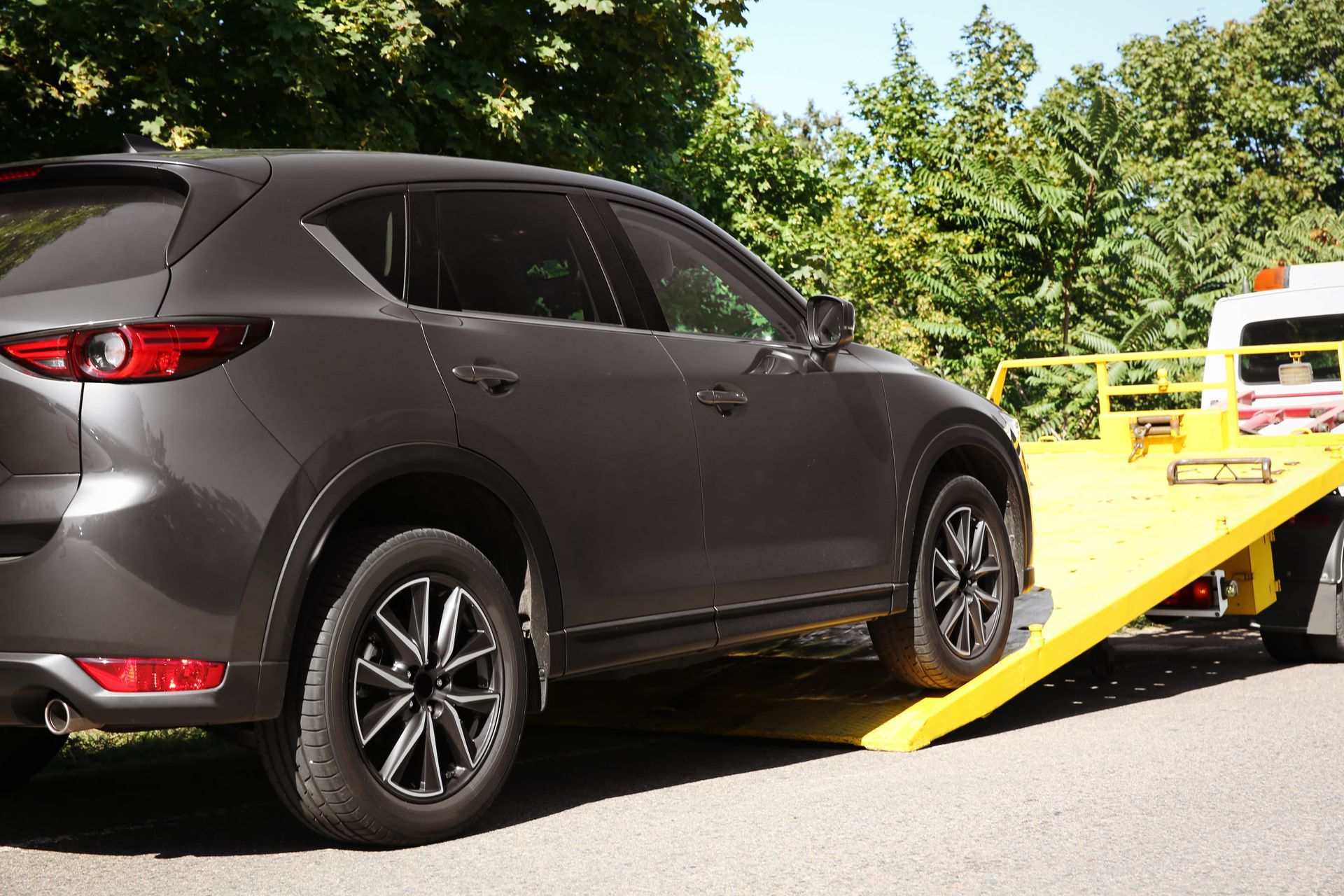
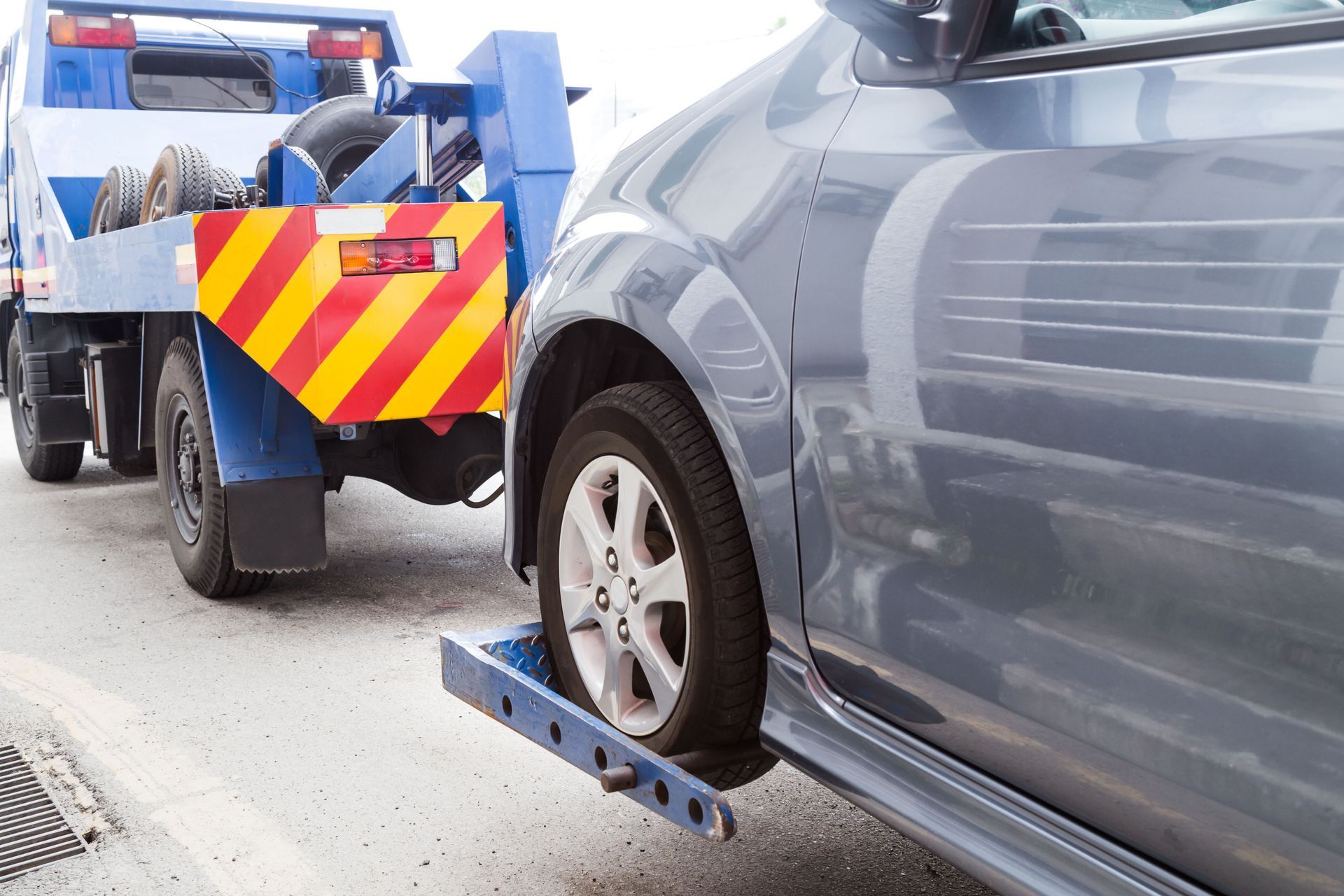
Flatbed tow trucks are commonly used to transport vehicles that should not be driven or towed with their wheels on the ground. They are particularly useful for damaged vehicles, all-wheel-drive cars, and certain luxury or specialty vehicles. Wheel-lift tow trucks use a lifting mechanism to raise one end of a vehicle, making them useful for many standard towing situations.
Some emergencies require additional equipment. Heavy-duty wreckers are designed to recover larger vehicles, including commercial trucks, buses, and other substantial equipment. Winches, recovery straps, and other specialized tools can also help operators move vehicles that have become stuck in mud, snow, ditches, or difficult roadside locations.
Wrecker services must maintain their equipment and ensure operators understand how to use it properly. Regular inspections, maintenance schedules, and equipment training help reduce the possibility of mechanical problems during emergency responses.
Managing Different Types of Roadside Emergencies
A major part of handling a high volume of calls involves recognizing that every roadside emergency is different. Some drivers need immediate assistance because their vehicles have stopped in dangerous locations, while others may be waiting in a parking lot after discovering a mechanical issue.
Accident scenes often require additional coordination. Operators may need to work around damaged vehicles, traffic congestion, emergency responders, and road hazards. Their responsibilities can include recovering vehicles, clearing debris associated with the recovery, and transporting damaged automobiles to designated locations. In these situations, safety and communication are especially important.
Vehicle breakdowns present different challenges. A car that has lost power on a busy highway may require quick removal to a safer location. Meanwhile, a vehicle that will not start in a driveway may not require the same urgency. Dispatchers consider these circumstances when determining which calls need attention first.
Other common requests include tire changes, fuel delivery, battery assistance, and vehicle lockouts. Although these problems may not always require towing, they still demand trained personnel and appropriate equipment. By offering several types of roadside assistance, towing companies can address more emergencies without automatically transporting every vehicle to a repair shop.
Prioritizing Calls and Maintaining Roadside Safety
When several emergency calls arrive simultaneously, towing companies must determine how to distribute their available resources. Not every request can receive immediate attention, so dispatchers consider factors such as location, traffic conditions, and the potential safety risks involved.
A vehicle stopped in an active traffic lane may require a faster response than one parked safely in a residential driveway. Similarly, an accident scene involving damaged vehicles and hazardous road conditions may require additional coordination before recovery work begins.
Operator safety is another major consideration. Working near moving traffic exposes towing professionals to potential hazards, especially on highways and busy roadways. Operators may use warning lights, reflective clothing, cones, and other safety equipment to make their presence more visible. They must also position their trucks carefully and remain aware of surrounding traffic.
Proper training helps operators recognize dangerous conditions and follow appropriate recovery procedures. These precautions protect not only towing personnel but also stranded motorists, passengers, and other drivers passing through the area.
Training Operators to Handle Complex Situations
The ability to respond to millions of emergency calls depends heavily on the people behind the equipment. Towing operators need practical knowledge of vehicle recovery, loading procedures, equipment operation, and roadside safety. They must also be prepared to work with different vehicle sizes, designs, and mechanical conditions.
Training is particularly important when handling damaged vehicles. Operators must understand how to secure automobiles without causing unnecessary damage during loading or transportation. Electric and hybrid vehicles can introduce additional considerations because of their high-voltage electrical systems and specialized components.
Communication skills are equally valuable. Drivers experiencing breakdowns or accidents may feel frustrated, overwhelmed, or uncertain about what to do next. Operators who communicate clearly can explain the recovery process, provide realistic expectations, and help motorists understand their available options.
Companies that invest in ongoing training and equipment education can better prepare their teams for unexpected situations. This preparation helps operators approach each call with the knowledge and resources needed to complete the job safely.
Handling millions of emergency roadside calls requires a coordinated effort involving dispatchers, trained operators, specialized equipment, and careful planning. From assigning the right tow truck to managing accident scenes and maintaining availability around the clock, every part of the process contributes to effective roadside assistance.
Wrecker services provide an important resource for motorists facing unexpected vehicle problems. Their ability to respond to different emergencies helps keep disabled vehicles moving off roadways and gives drivers access to the assistance they need. When a breakdown or accident interrupts a journey, Barker's Towing & Auto Repair understands the importance of having professional roadside assistance available to help motorists move forward safely. Contact us today for more information about
wrecker services.